




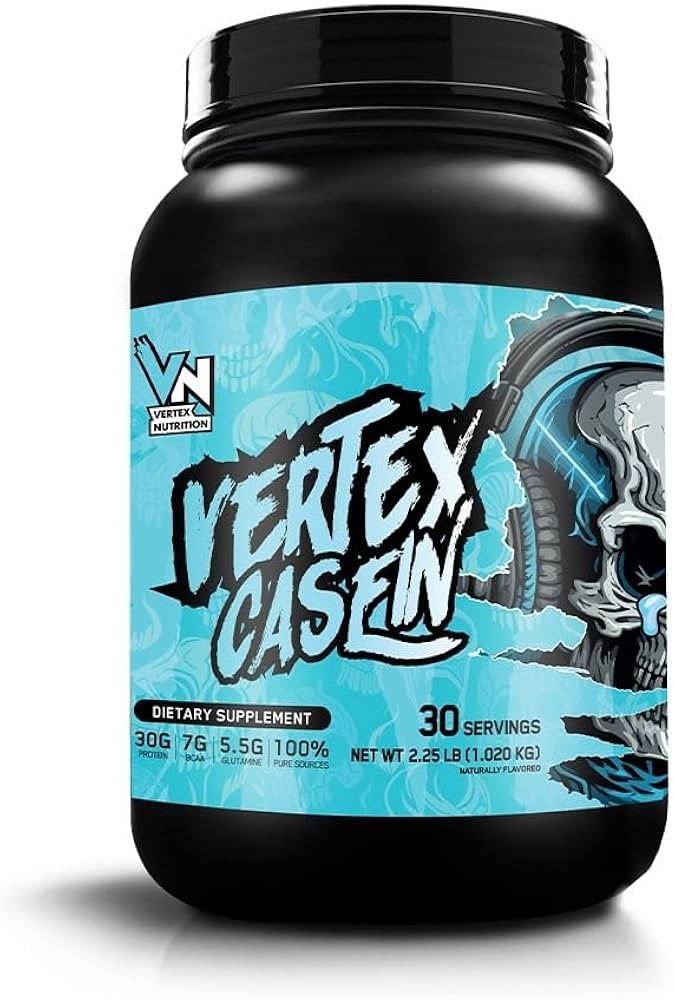
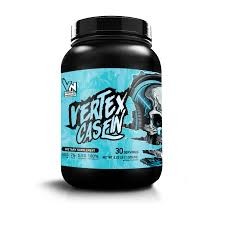
Vertex Casein
Inhouse product
-

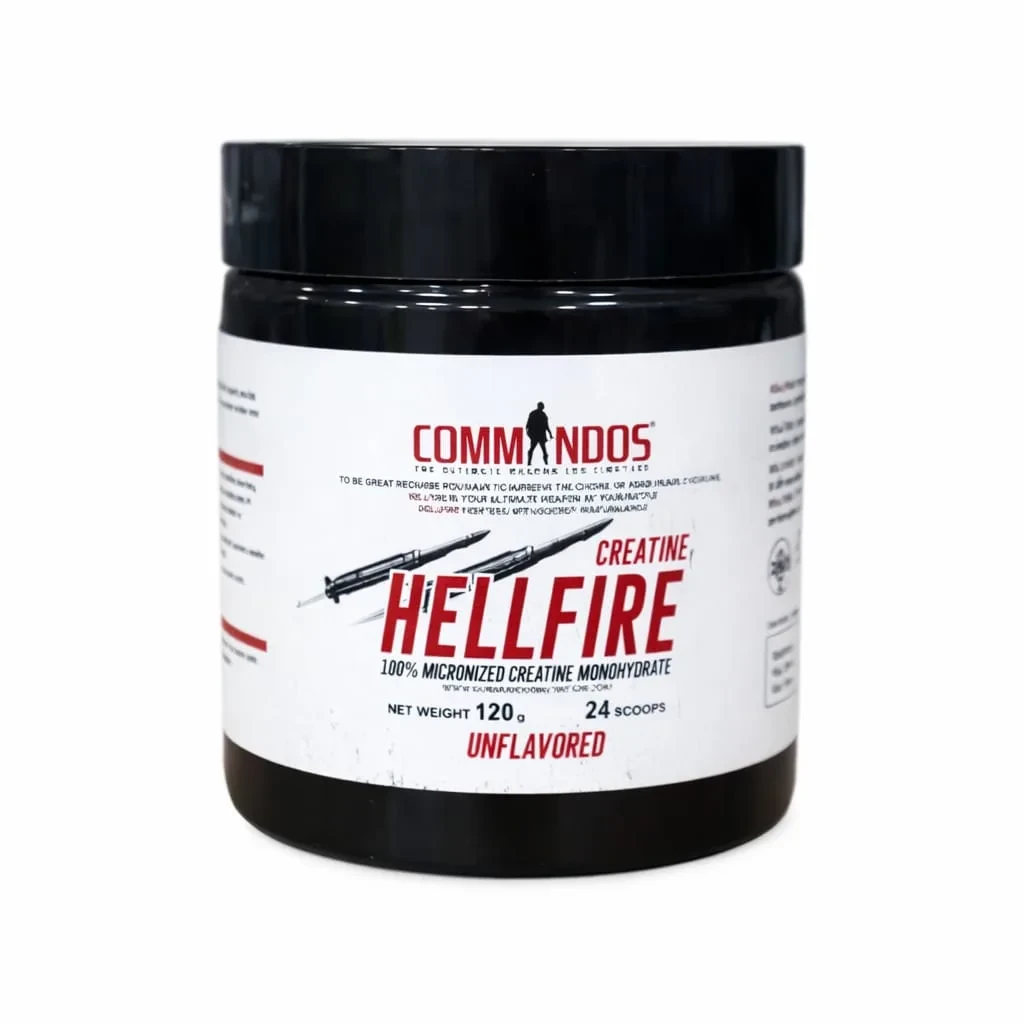
Hellfire Creatine
EGP200.00 -
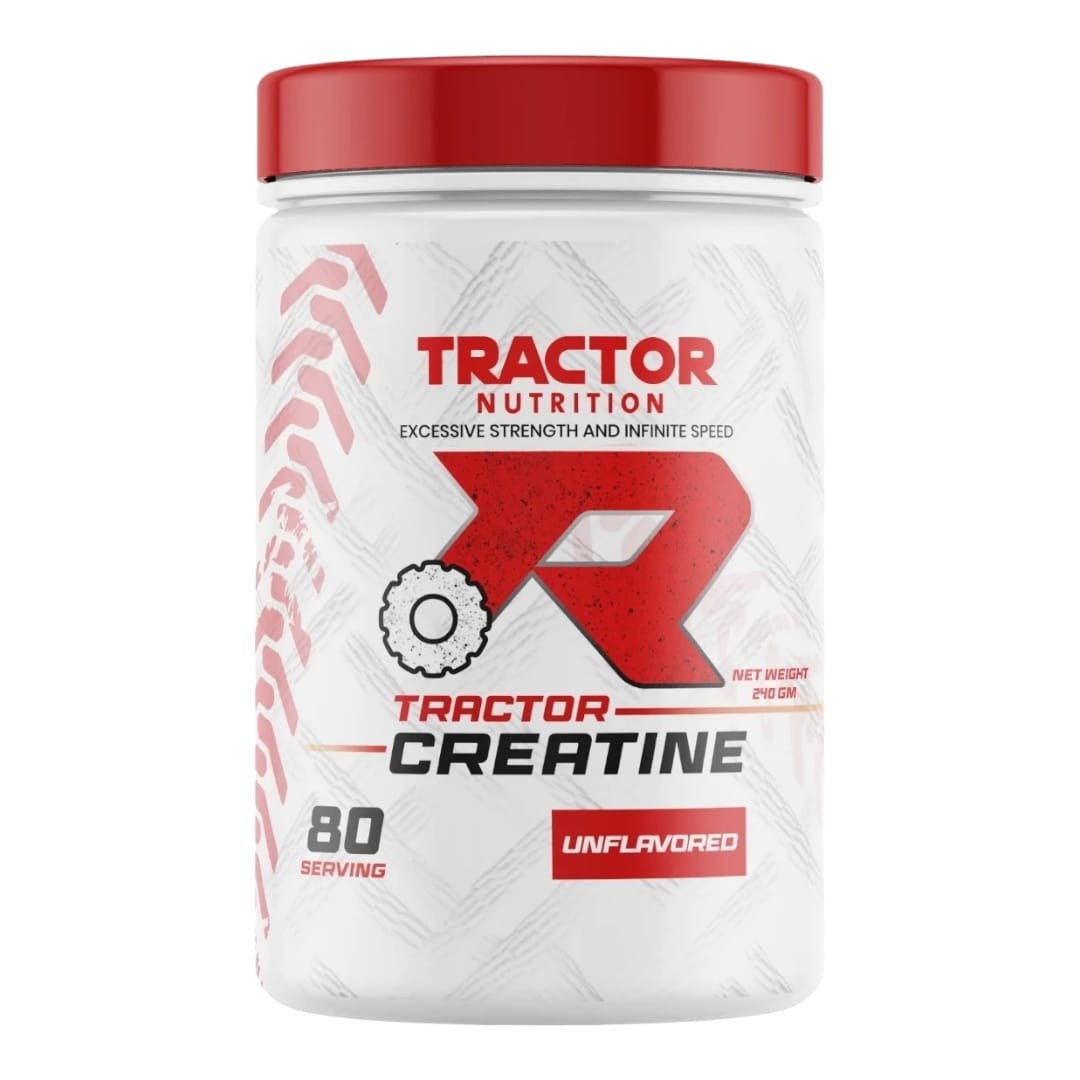
Tractor Creatine 80 Servings 240 g
EGP550.00 -
Creatine Monohydrate 300 g (60 servings)
EGP1,000.00 -
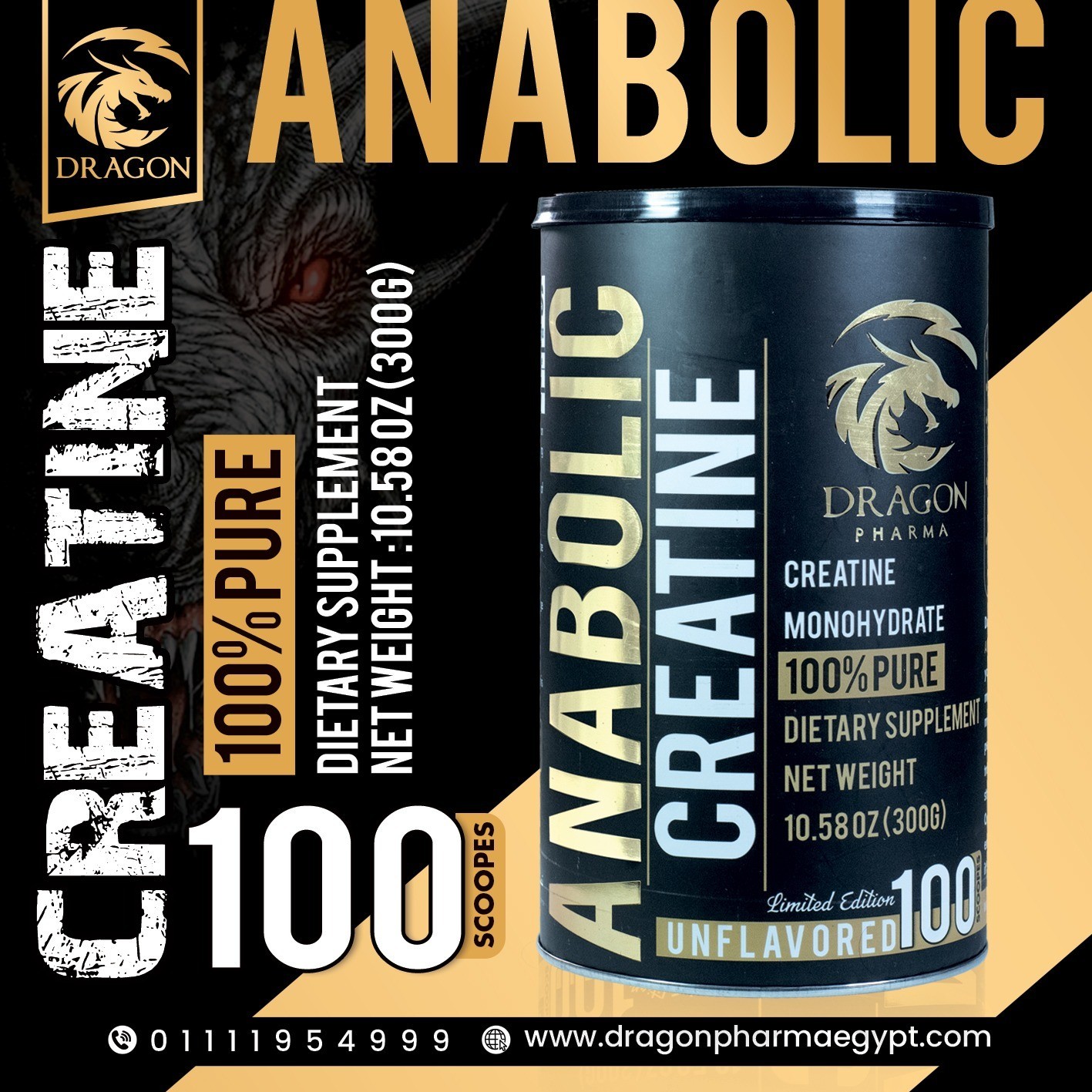
Dragon Anabolic Creatine 100S
EGP700.00 -
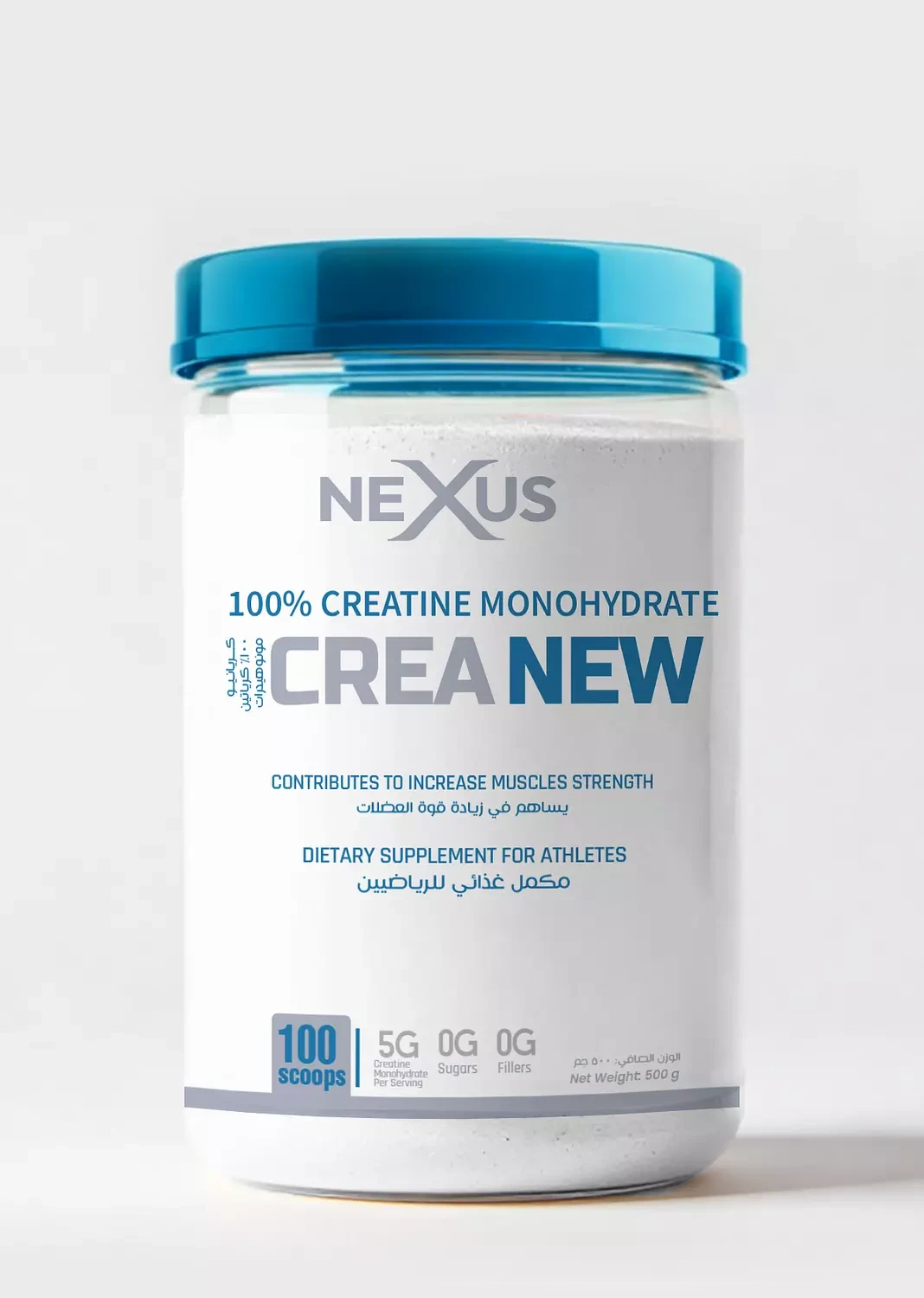
NEXUS CREA NEW (Creatine Monohydrate)
EGP700.00 -
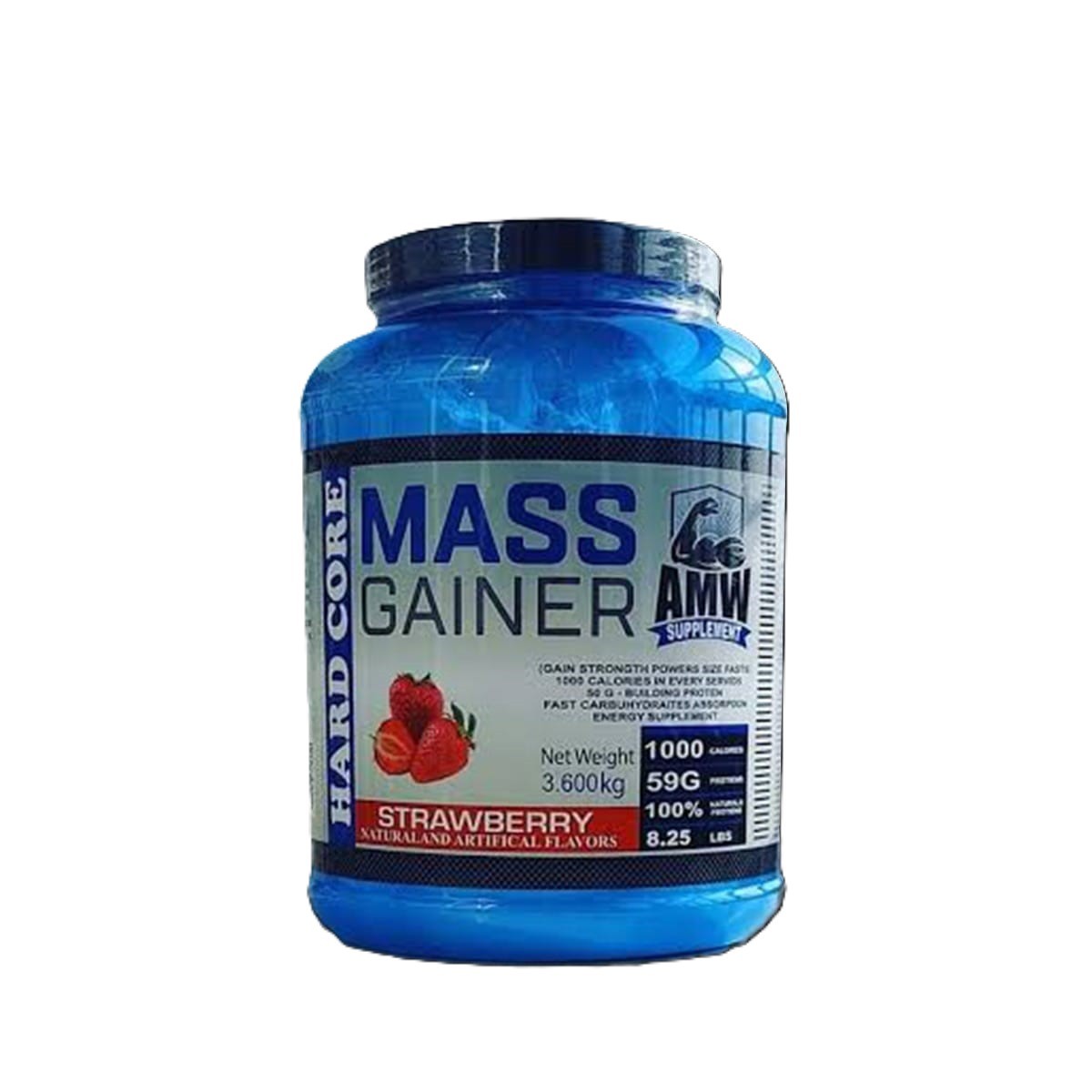
AMW Mass Gainer 2K.G
EGP750.00



What is Vertex Casein — basic info & what it claims?
-
Vertex Casein is a slow‑digesting milk‑derived protein powder (casein) produced by Vertex Nutrition.
-
It is promoted as a “night‑recovery / slow‑release protein,” meaning the amino acids are released gradually over several hours (often quoted as ~7–8 hours), which may help muscle maintenance or recovery during sleep or long periods without eating.
-
According to retailer descriptions, it’s suitable for use before bed or between meals, especially when you expect a long fasting/fast‑gap (e.g. overnight, or between meals during fasting periods).
Typical Serving & Nutrition Info (as marketed):
From product listings:
-
Suggested serving: 1 scoop (~30 g) mixed with water or milk (250–300 ml).
-
Use time: before sleeping or between meals / long gaps to ensure steady amino‑acid supply.
-
The product claims to provide “slow release” — delivering amino acids over ~7–8 hours.
I did not find a publicly-available full nutritional facts sheet (protein grams per serving, carbs, fat, etc.) that is consistently reproduced across verified sources for Vertex Casein — at least not on the main sites I checked. The retailer pages emphasize the “slow release” and “night-protein” function rather than detailed macro breakdown.
Because of that: if you decide to buy, I recommend checking the label on the actual tub for “Protein / Serving (g)”, “Calories”, “Carbs/Fat” — especially if you track macros strictly.
Claimed Benefits & Ideal Use Cases:
According to the marketing/descriptions of Vertex Casein:
-
Overnight muscle recovery & maintenance — because casein digests slowly, it's said to supply amino acids for hours while you sleep, helping reduce muscle breakdown and support repair.
-
Anti‑catabolic support during long fasting periods / between meals — useful when you won’t eat for many hours (e.g. sleep, fasting, busy days).
-
A “convenient protein top‑up” if dietary protein from food isn’t enough — helps meet daily protein needs without relying only on meals.
What to Watch Out For / What Is Unknown!
-
As noted: lack of transparent public data (on the sites I saw) about exact protein per serving, macro breakdown, amino‑acid profile. That means -- when buying: look at actual packaging rather than rely on marketing.
-
Because it’s casein (milk‑derived): anyone with dairy allergy or severe lactose sensitivity should be cautious (casein is slower digesting but still a dairy protein).
-
As with all protein supplements: effectiveness and benefits depend heavily on overall diet, training, and consistency — not just on taking casein.
-
Because supplement markets (especially locally) can have issues with authenticity, there is always some risk — it helps to buy from trusted/official retailers, check for seal, expiry date, batch code etc.
Who Vertex Casein Makes Sense For — And When It’s Useful?
Vertex Casein can be a good option if:
-
You want a slow‑digesting protein — ideal before sleep or long gaps without meals.
-
You need extra protein to meet daily intake, but find meals alone are insufficient.
-
You prefer a more “sustained release” than fast‑absorbing whey (for recovery, anti‑catabolic support or overnight nutrition).
Related products
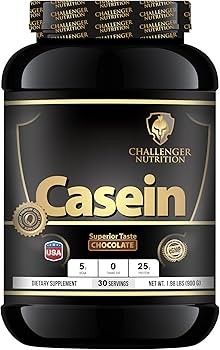
Challenger Casein



Contact Info
- Address: Center Roushdi, Alexandria, Egypt
- Phone: 01113669991
- Email: info@alexmuscle.com