



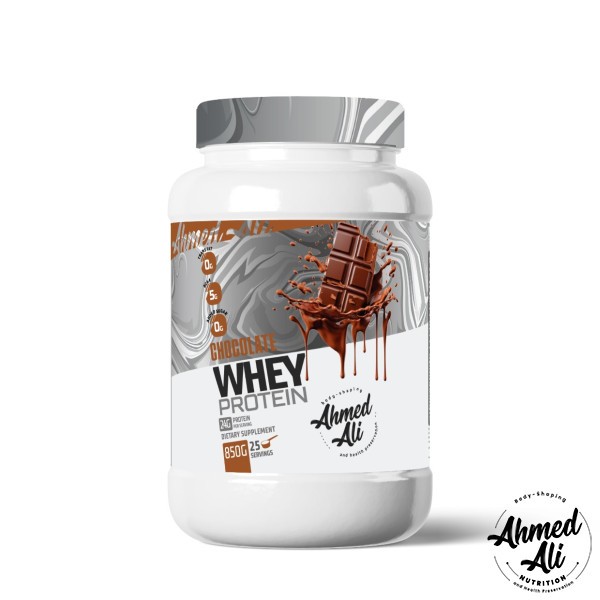
Ahmed Ali Whey Protein
Inhouse product

-

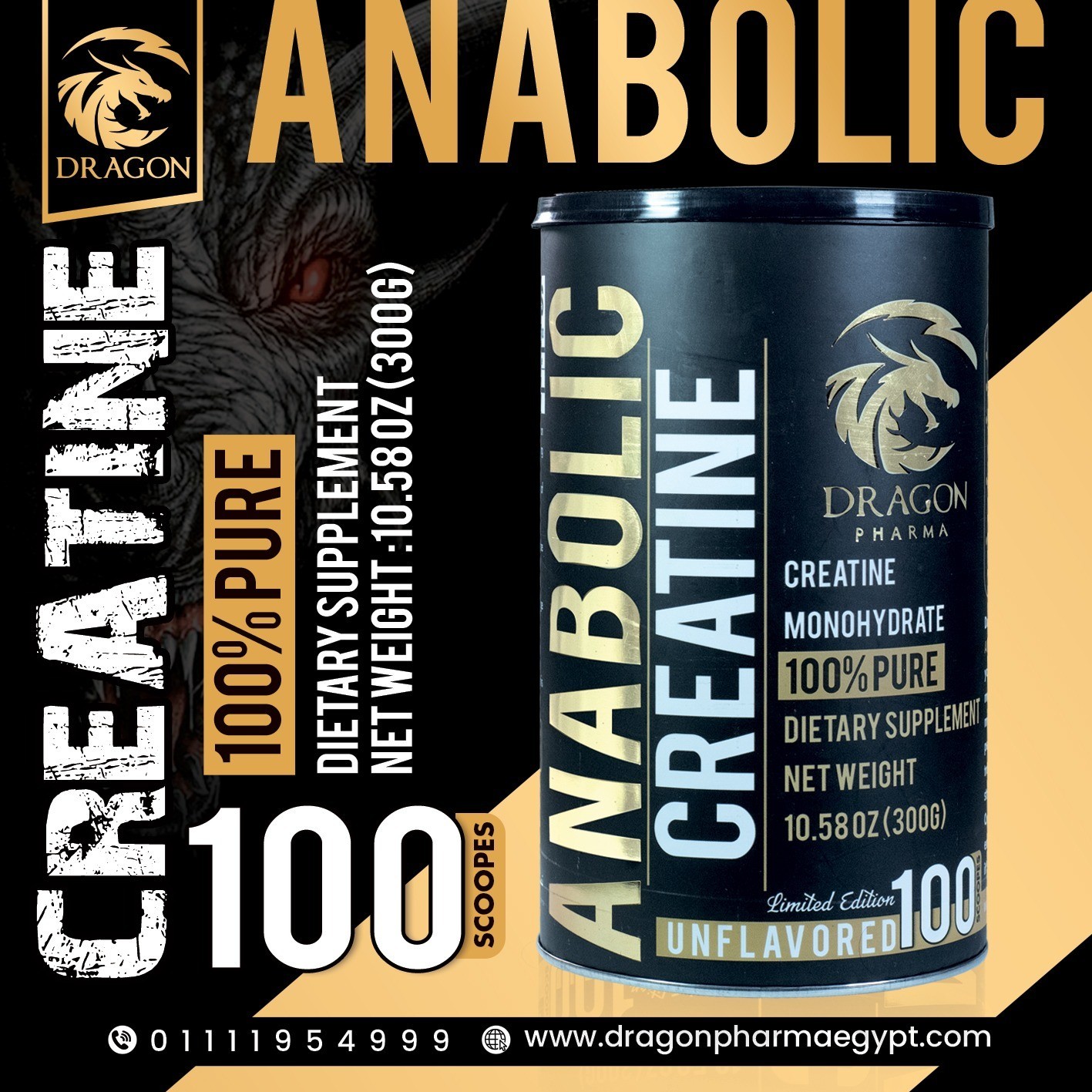
Dragon Anabolic Creatine 100S
EGP700.00 -
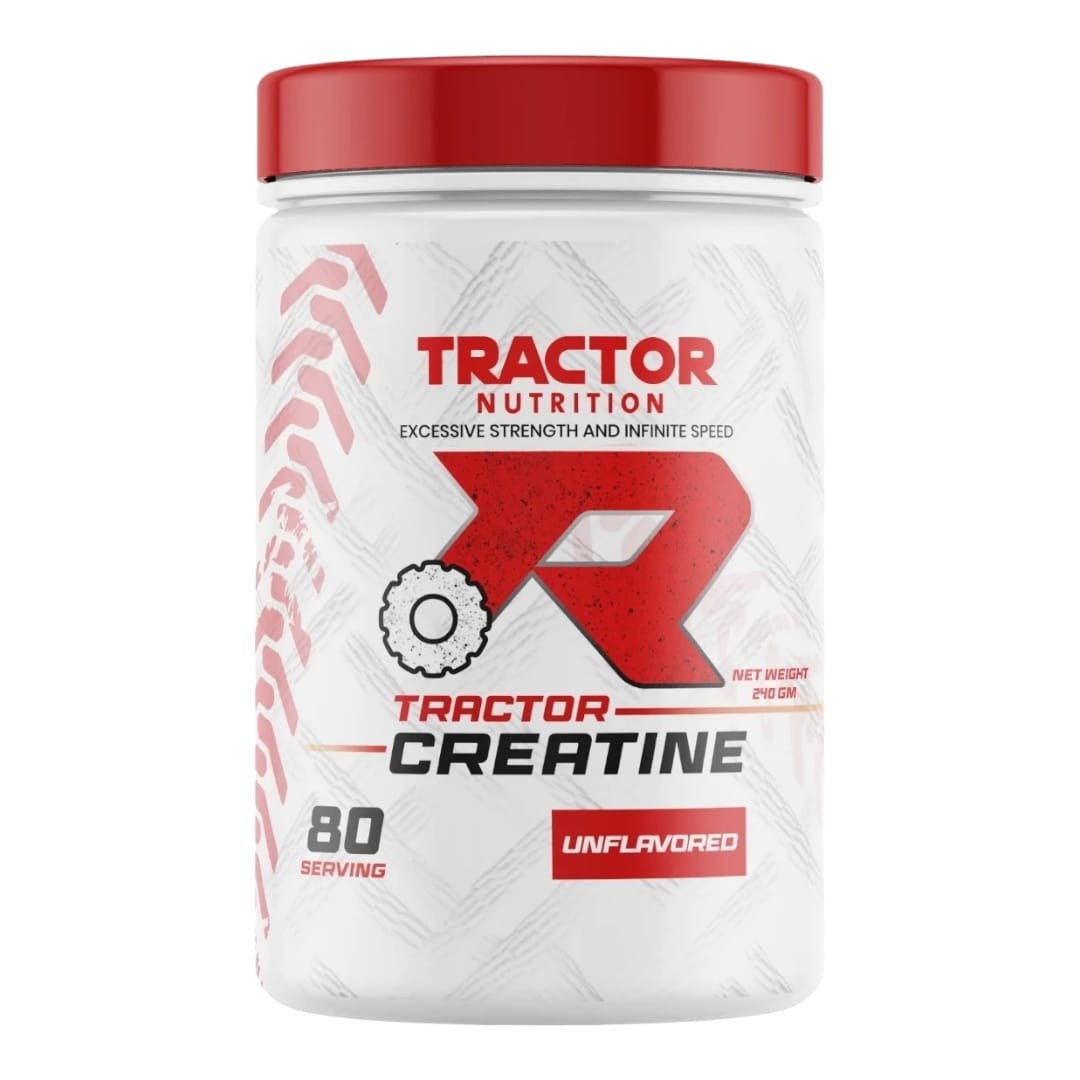
Tractor Creatine 80 Servings 240 g
EGP650.00 -
Creatine Monohydrate 300 g (60 servings)
EGP1,000.00 -
Dragon Crea Force 133s
EGP950.00 -
CREA POWER 30 S
EGP500.00 -
CREA POWER 50 S
EGP875.00


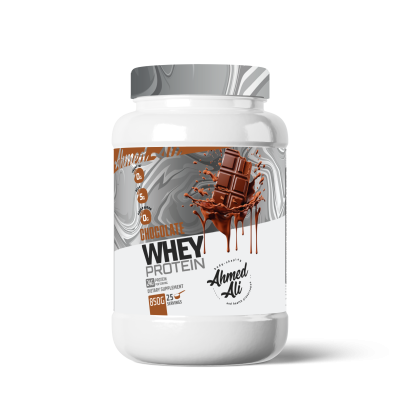

What Ahmed Ali Whey Protein claims ?
-
The product is listed as “Whey Protein” under Ahmed Ali Nutrition.
-
Some versions list size as 850 g — about 25 servings.
-
The supplement is described as “high‑quality whey concentrate” (or whey protein) aimed to support muscle building, muscle recovery after workouts, and help meet daily protein needs.
-
Suggested usage (from a listing) is to mix a scoop (~30 g) with 200–250 ml water or milk, typically after workout or between meals.
Nutrition:
The publicly available information for the “Ahmed Ali Whey” line shows the following approximate nutritional profile (or selling points). However — note that the 850 g version doesn’t always come with a full nutrition‑facts sheet accessible online. Use the numbers below as rough guide — not guaranteed facts:
-
Some of Ahmed Ali’s whey/isolate products list ~24–26 g protein per serving.
-
The whey is described as relatively “clean”: low to moderate fat / carbs compared to mass‑gainers (though exact numbers for the 850 g version are not clearly given).
-
It’s promoted as containing essential amino acids including BCAAs, helping recovery and muscle repair.
How to Use?
Ahmed Ali Whey could be a viable option if you:
-
Want a budget-friendly whey protein — smaller pack size (850 g) may be more affordable or easier to try than big tubs.
-
Need a simple post‑workout shake or protein supplement between meals to help reach your daily protein target.
-
Are okay with whey concentrate (or generic whey) rather than premium isolate/hydrolysate — good if you’re not highly lactose‑sensitive and want a basic supplement.
Typical suggested use: 1 scoop (~30 g) mixed with water or milk ~ 200‑250 ml, post‑workout or between meals.
What to Check Carefully!
-
I did not find a public, full nutrition label for the 850 g version available online (with exact breakdown: protein per 100 g, carbs, fats, sugars, amino‑acid profile).
-
Because of that, you cannot be sure about actual protein per serving, or quality (how much is actual whey vs fillers).
-
As with many local/less‑international brands, there’s risk of variable quality or inconsistencies — so there’s no strong independent verification (lab tests / reviews) that I saw.
-
If you have lactose intolerance or digestive sensitivity, whey concentrate may not be ideal (though I did not see explicit claims that it is lactose‑free).
Recommendation:
Ahmed Ali Whey might be okay as a budget‑level protein powder — especially if you want to try whey protein without investing too much in big “premium-brand” tubs. However, because of the lack of transparent nutritional data and limited verification, I’d treat it with caution.
Related products
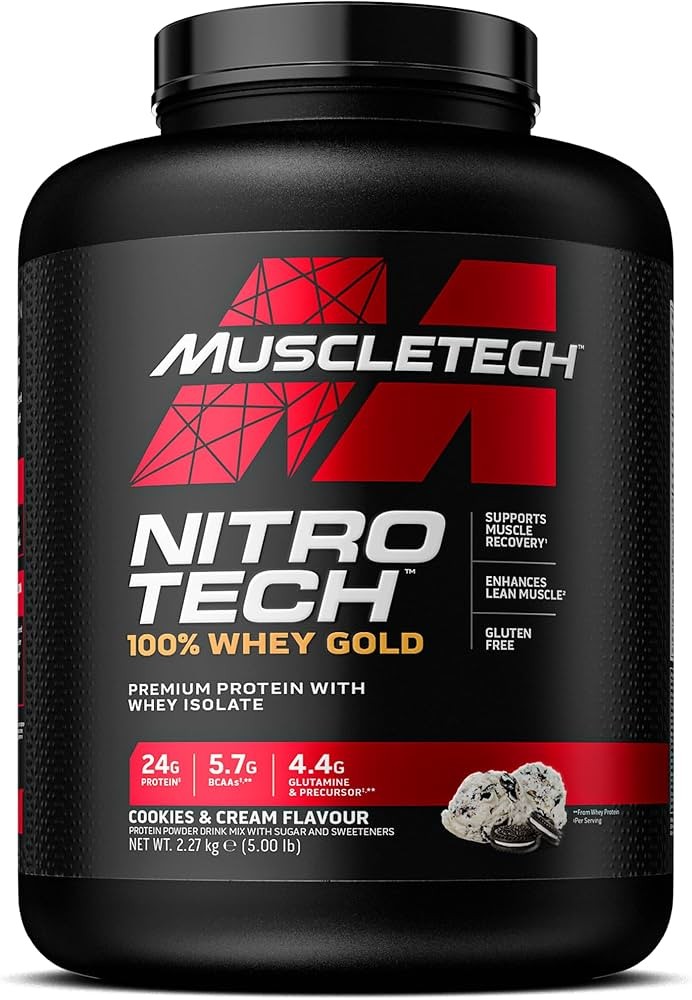
MuscleTech Nitro‑Tech Whey Gold 2 kg
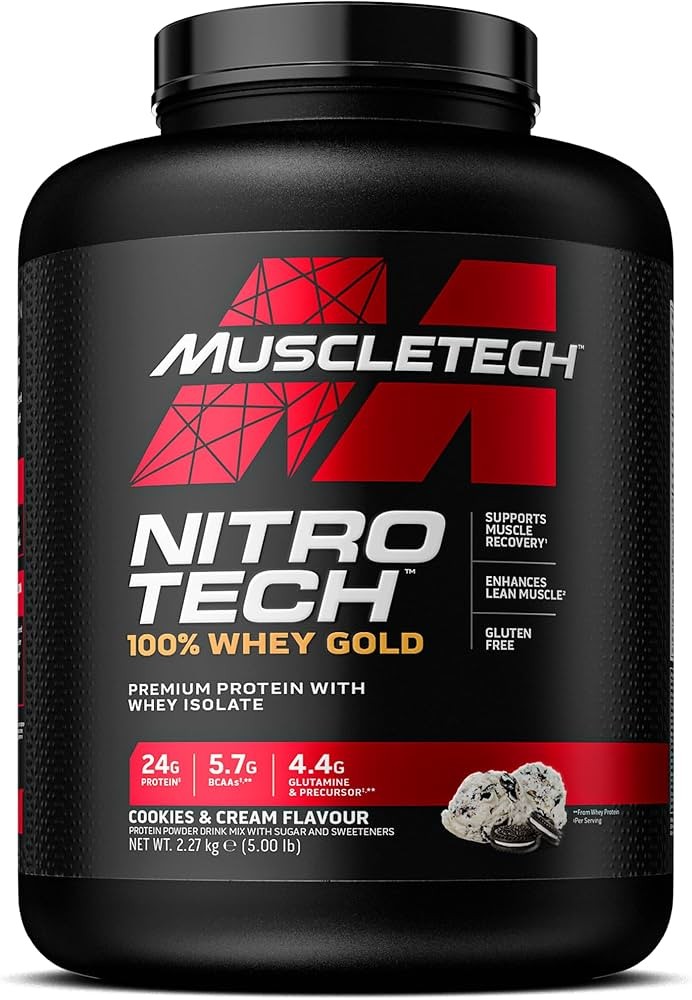
Nitro‑Tech Whey Gold 2 kg (New Version)
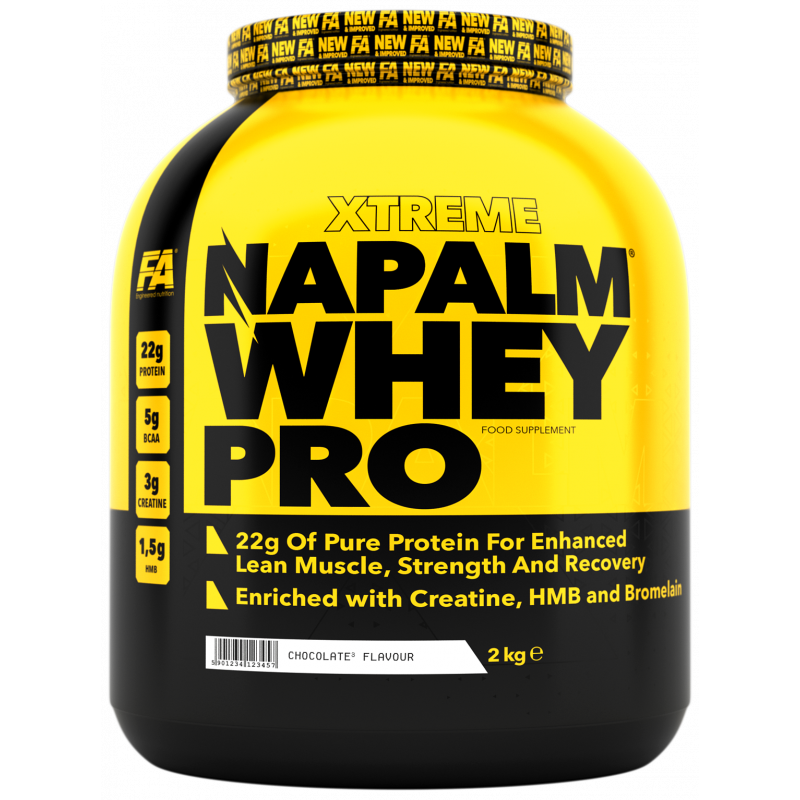
Napalm Whey Pro 2 kg
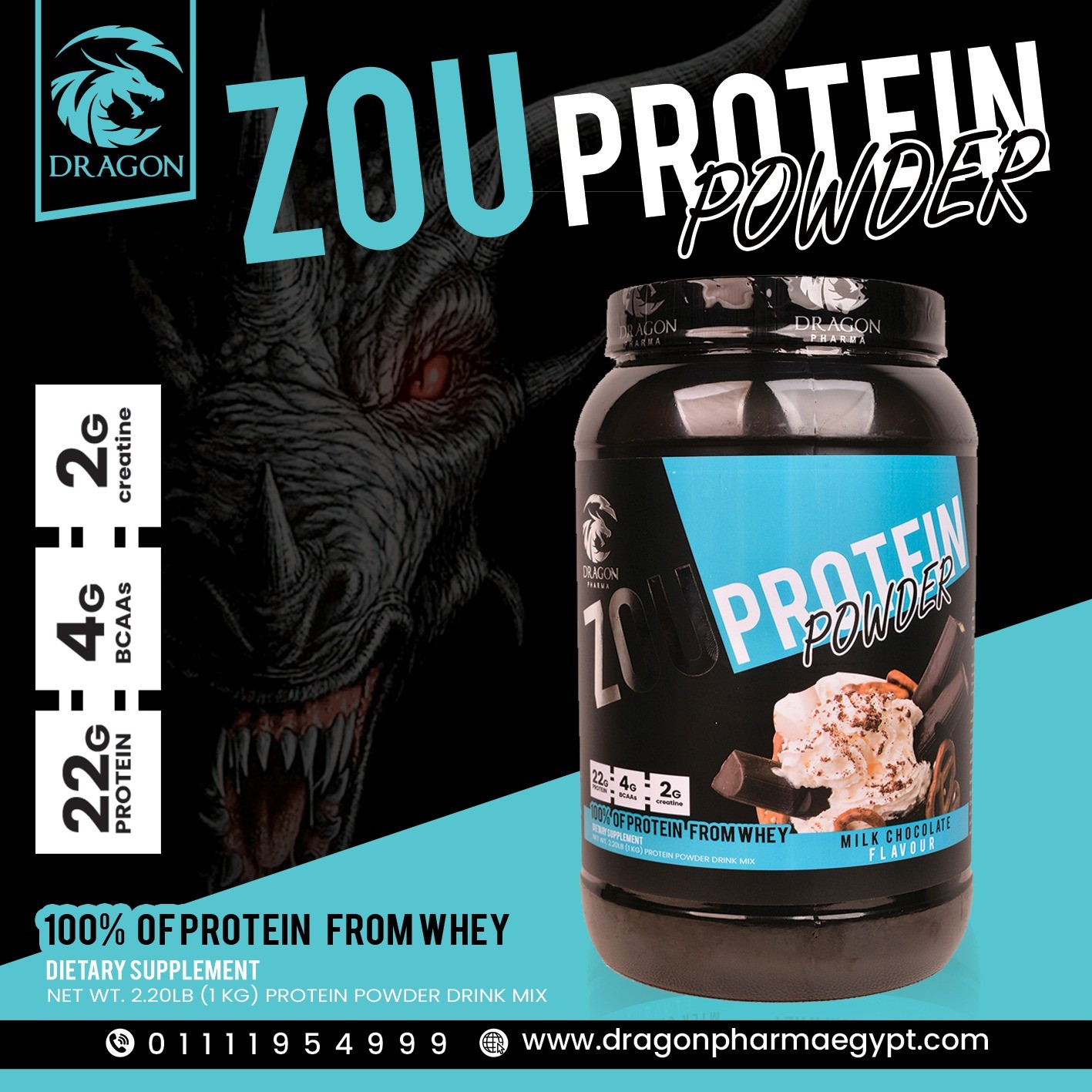
Dragon “Zou Protein” 1 kg
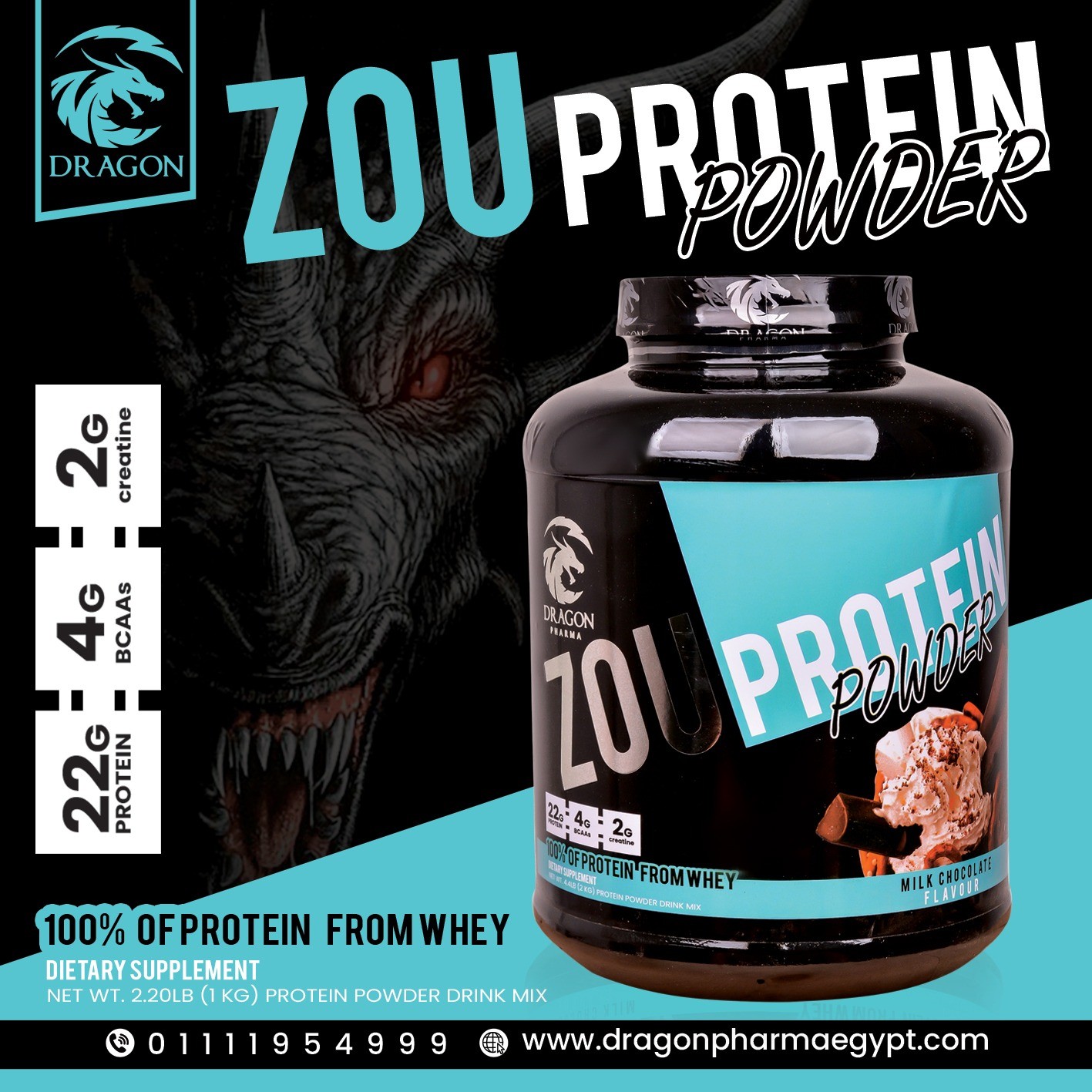
Dragon ZOU Protein 2 kg
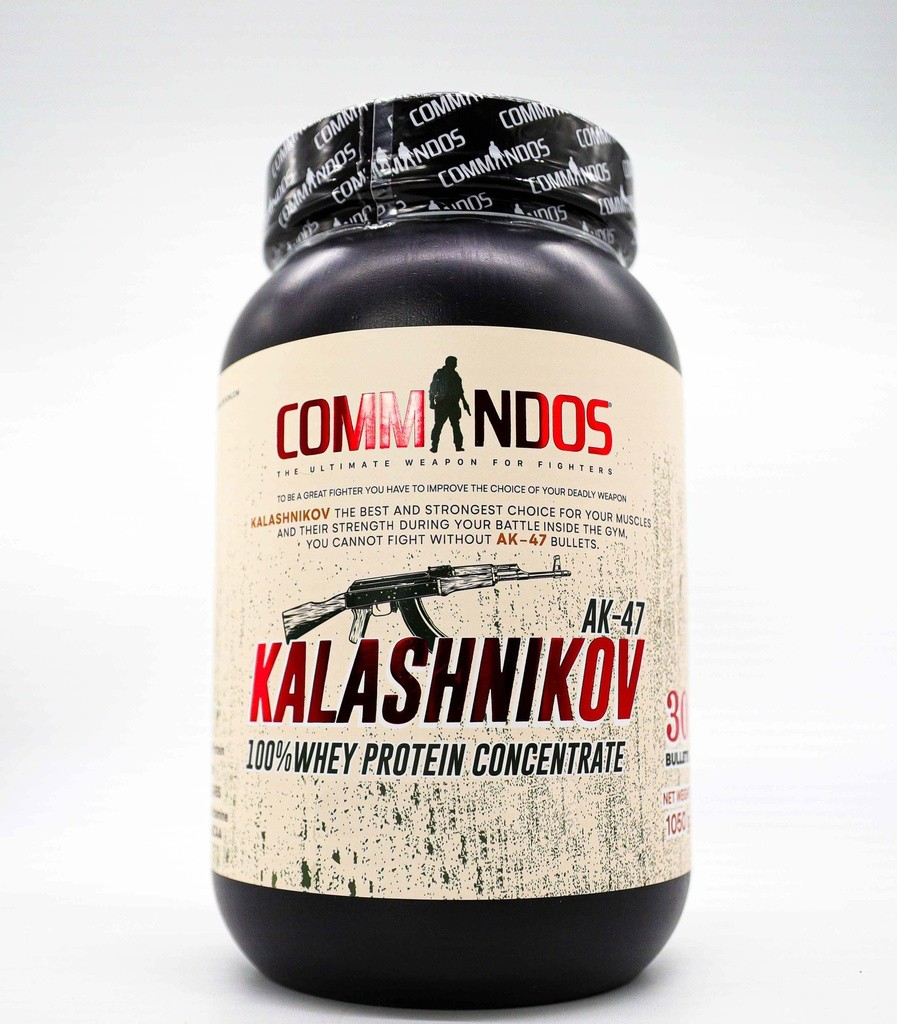
Commandos Whey Protein 1 kg
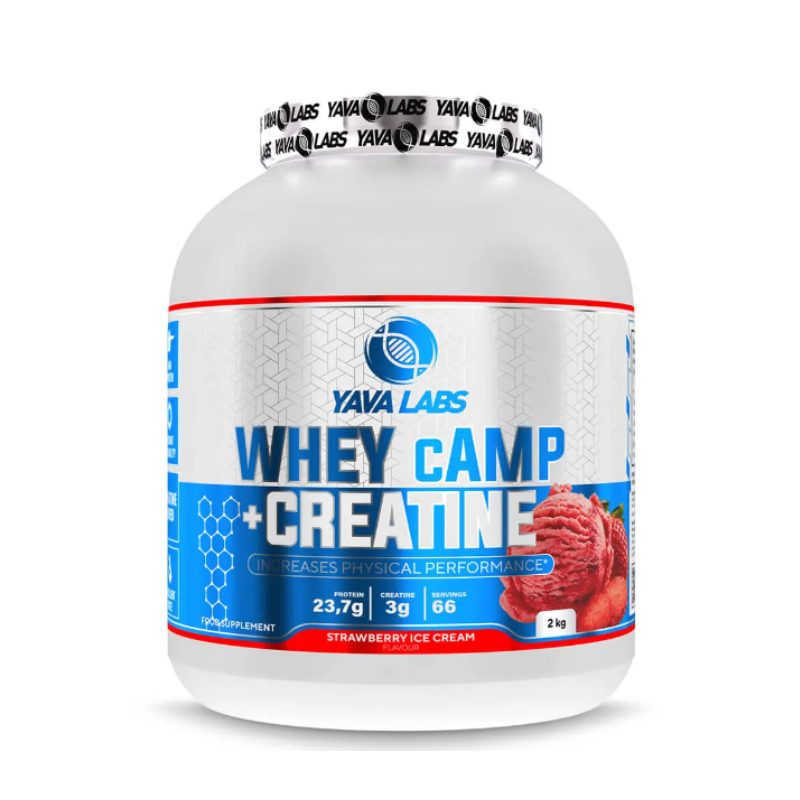
Yava Labs Whey Camp + Creatine
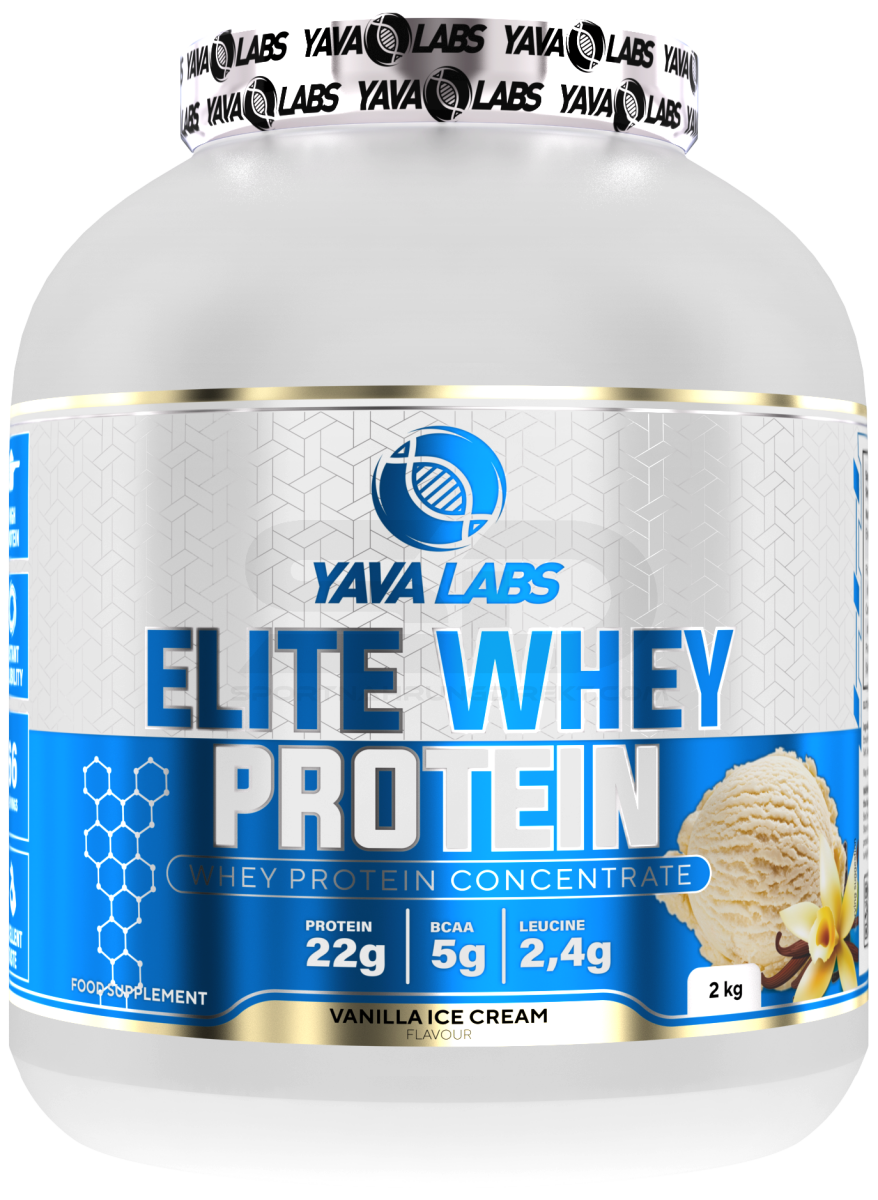
Yava Labs Elite Whey
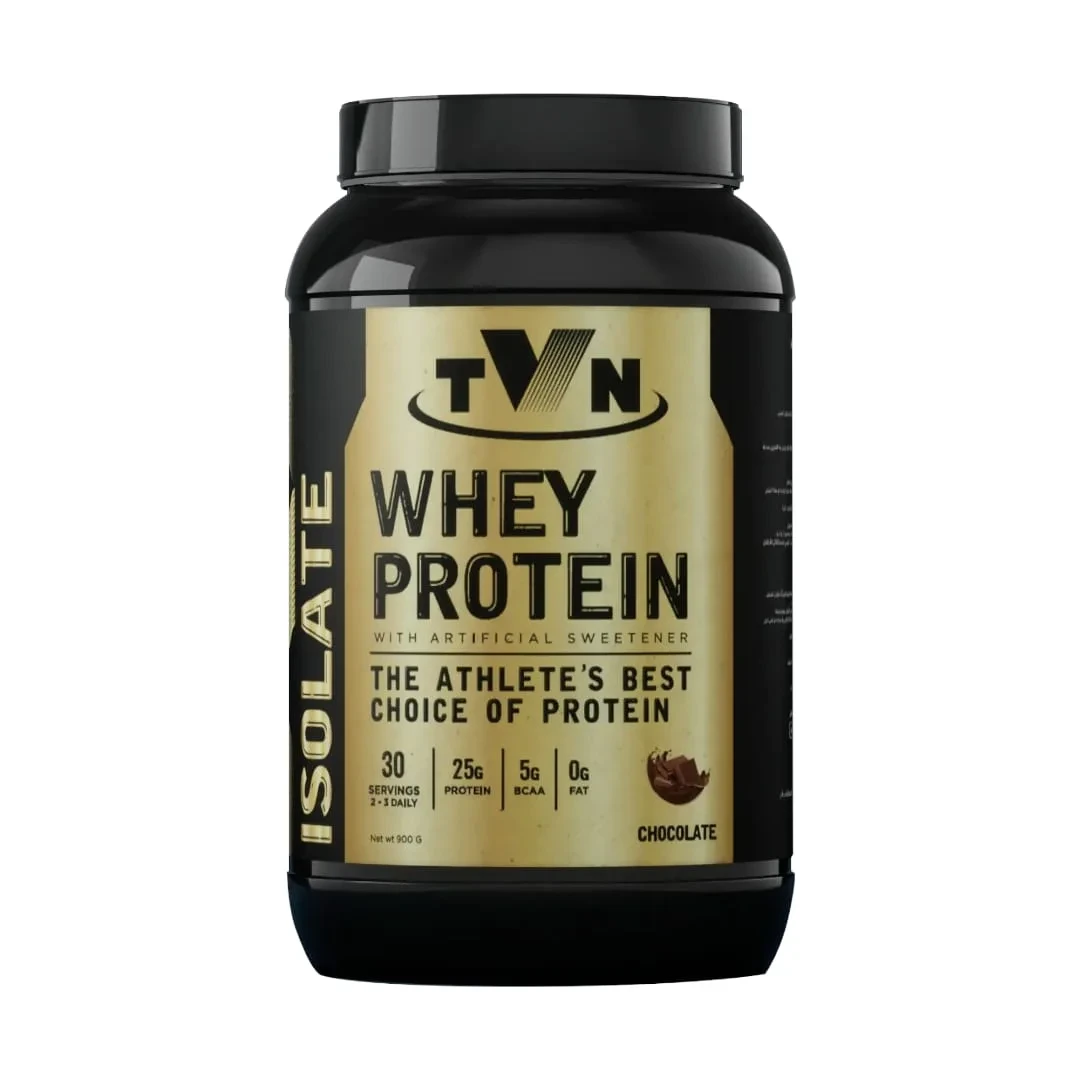
TVN Whey Protein 30S
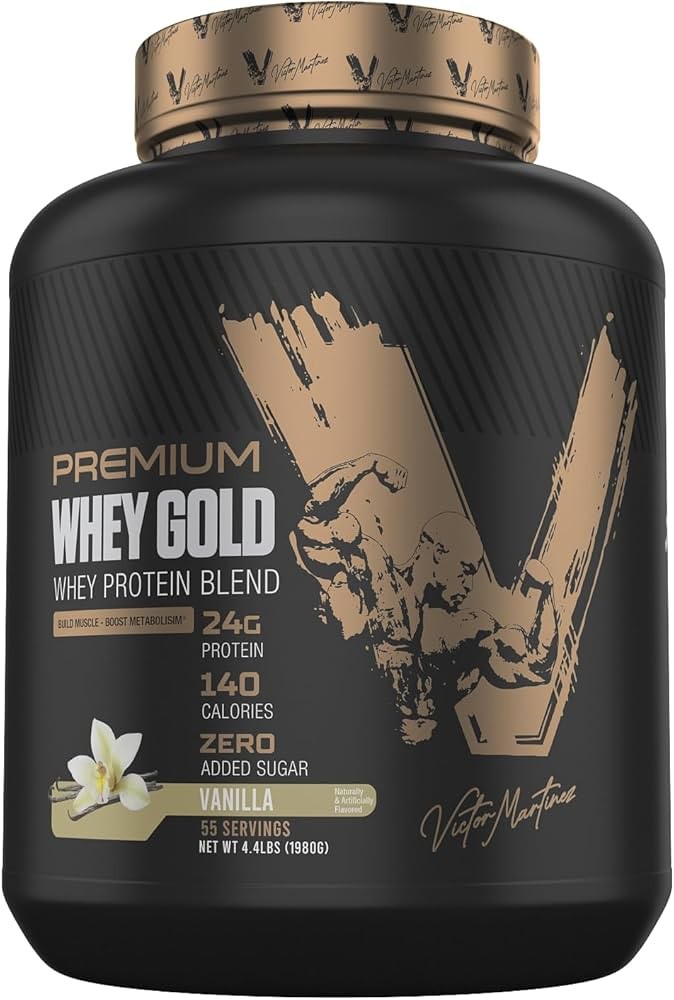
Victor Martinez Premium Whey Gold



Contact Info
- Address: Center Roushdi, Alexandria, Egypt
- Phone: 01113669991
- Email: info@alexmuscle.com