

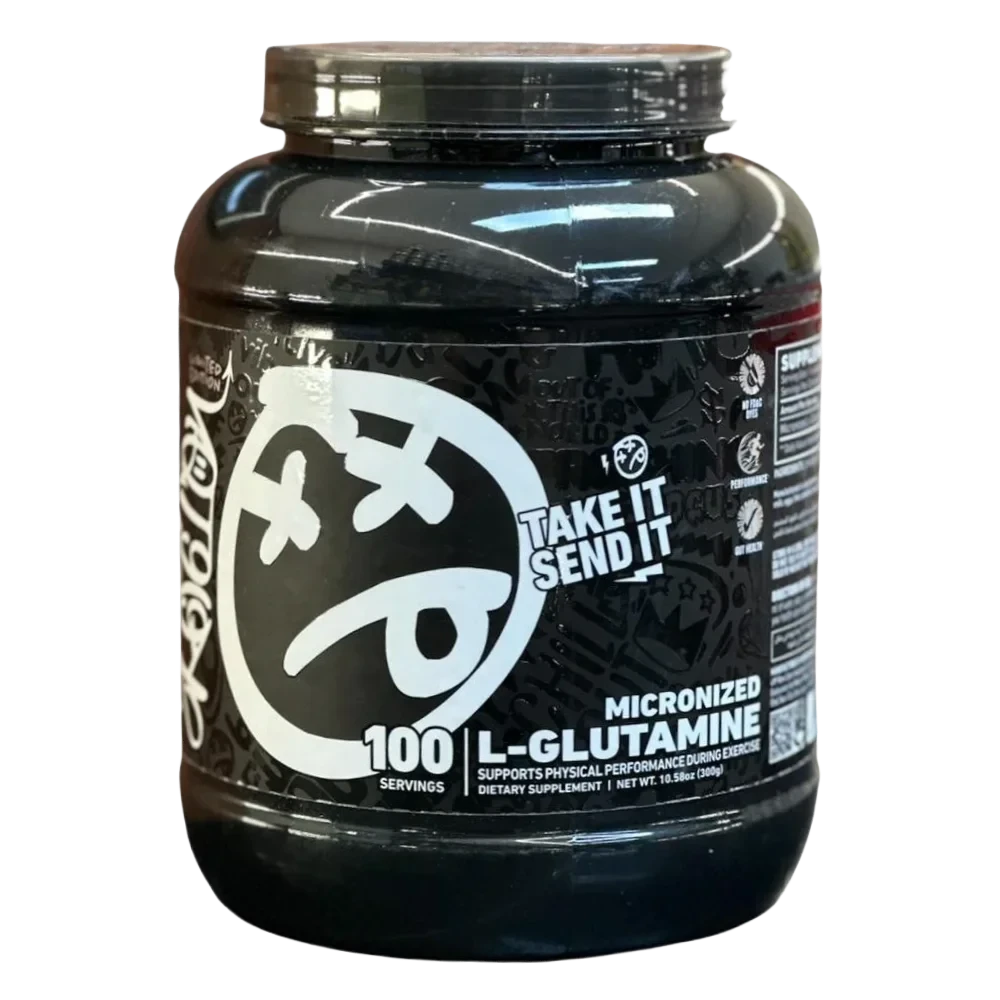
Glutamine
Inhouse product

-

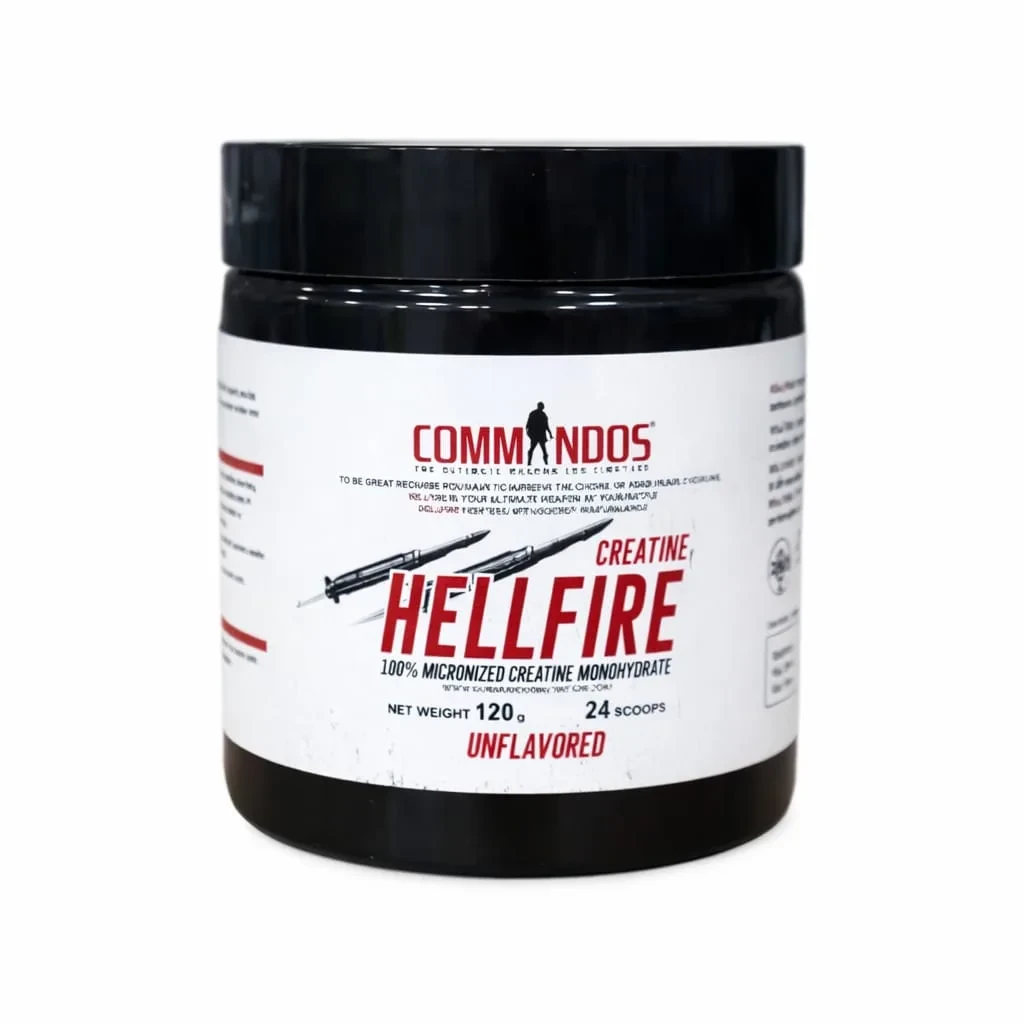
Hellfire Creatine
EGP200.00 -
Creatine Monohydrate 300 g (60 servings)
EGP1,000.00 -
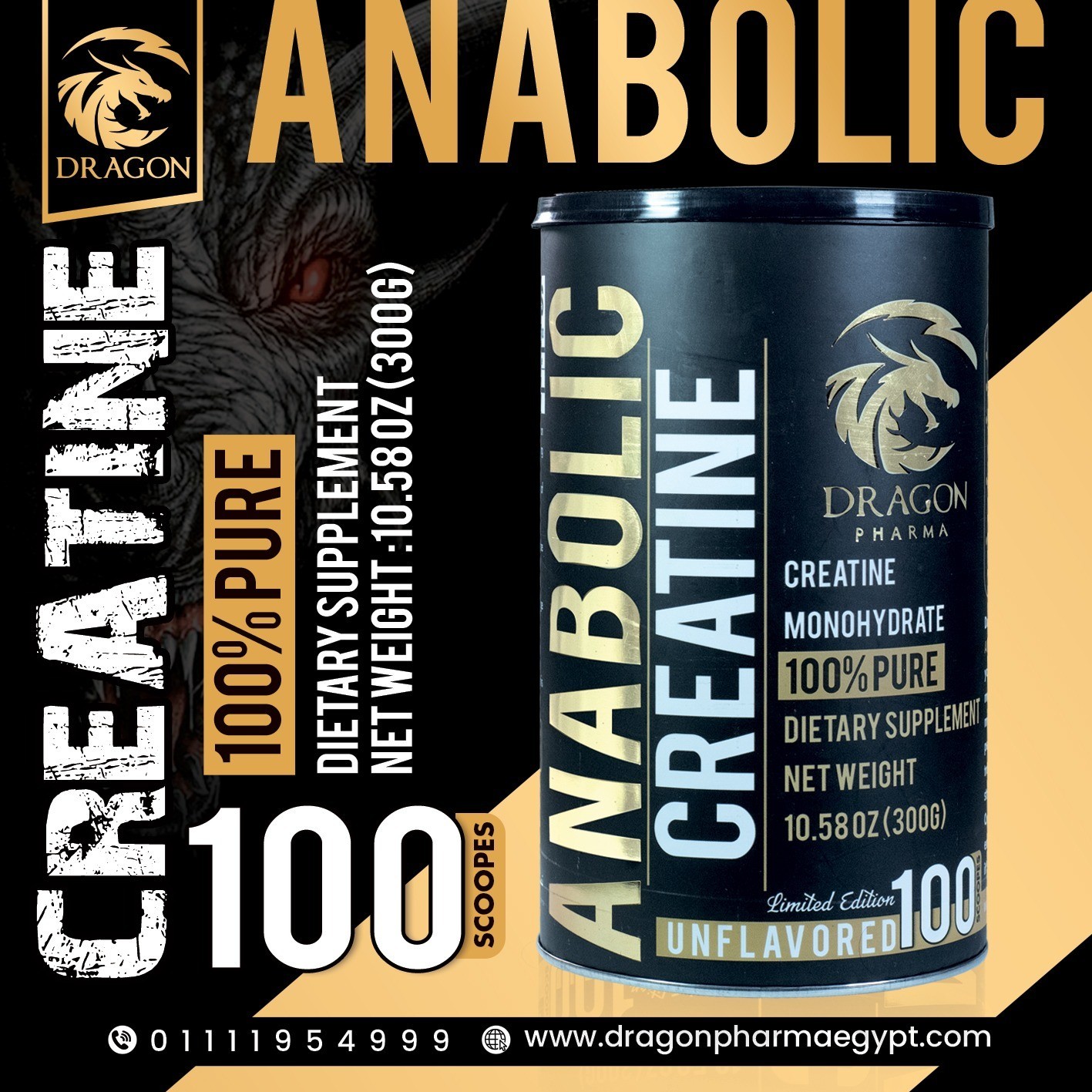
Dragon Anabolic Creatine 100S
EGP700.00 -
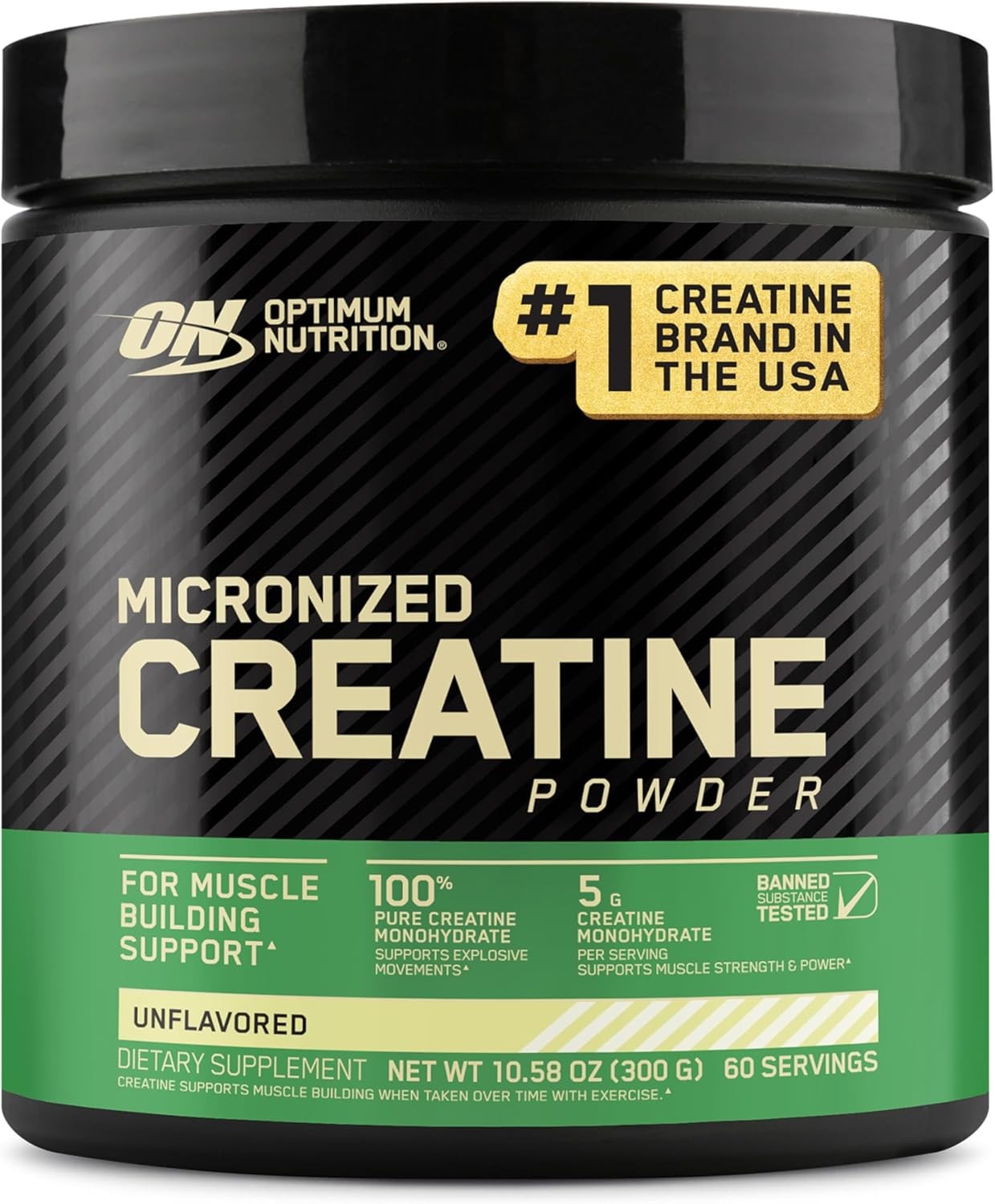
ON Creatine 60 S 300 g
EGP1,900.00 -
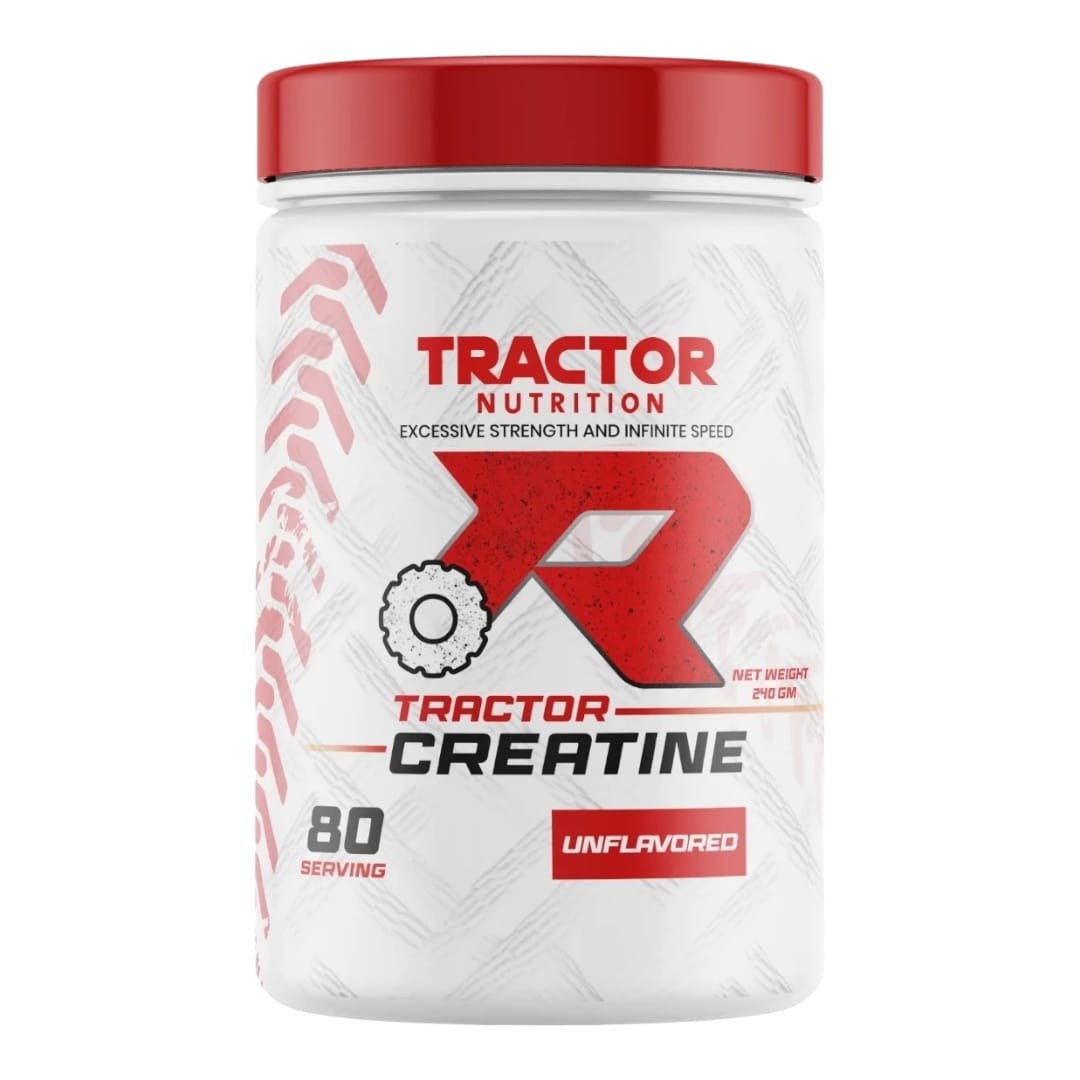
Tractor Creatine 80 Servings 240 g
EGP550.00 -
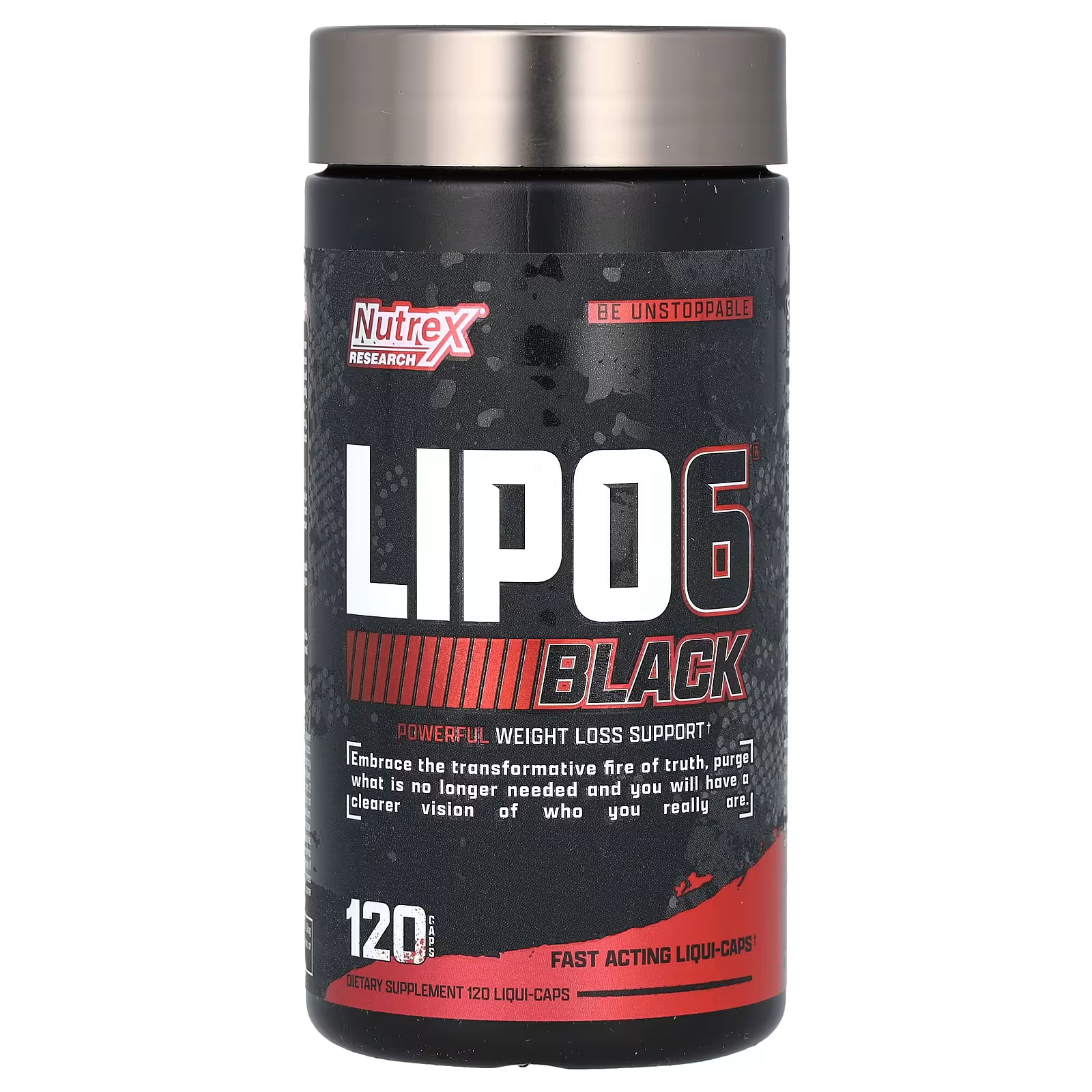
LIPO-6 Black Ultra
EGP900.00

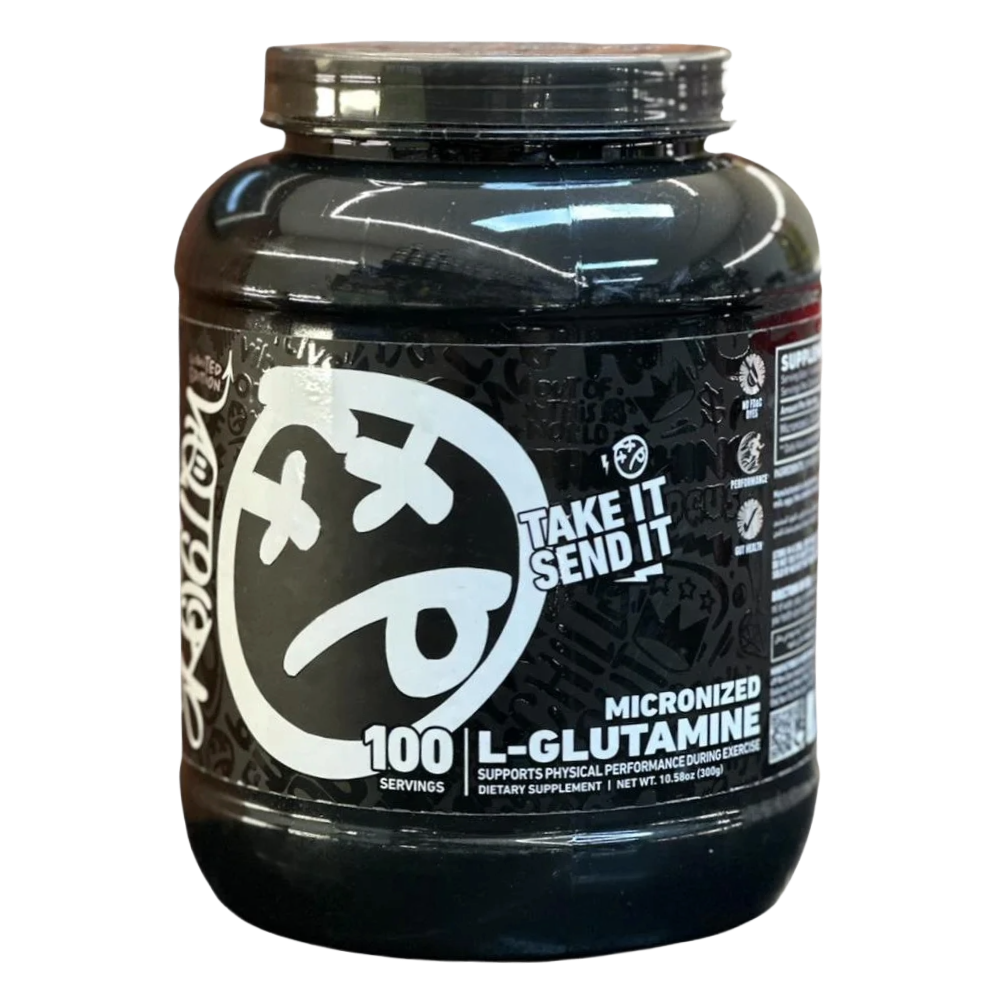
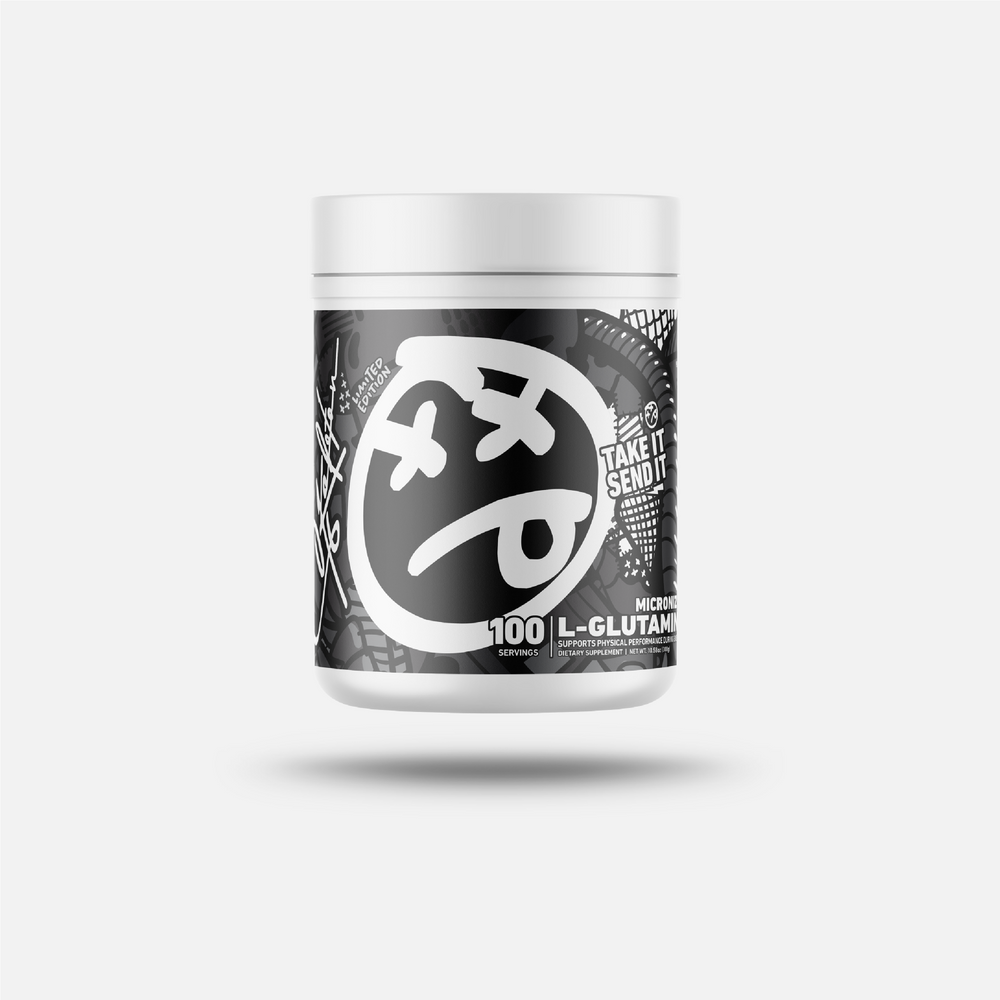
What is Glutamine?
-
Glutamine is an amino acid — one of the most abundant in the body, used as a building block for proteins.
-
Under normal conditions, your body can produce glutamine on its own; but when under stress (heavy training, injury, illness), demand may increase and supplementation becomes more common.
Why People Use Glutamine Supplements?
Supplementing glutamine (often as “L‑Glutamine powder”) may help with several things, though scientific evidence varies:
-
Support immune and gut health — Glutamine provides fuel to immune cells and cells in the intestines, helping maintain gut‑lining integrity and supporting overall immune function.
-
Aid recovery and reduce muscle soreness — Some studies suggest glutamine may help reduce soreness or fatigue after intense exercise, supporting muscle recovery.
-
Support tissue repair and healing — In cases of stress, injury, surgery, or other “high demand” situations (illness, burns), glutamine supplementation may support healing, immune function, and reduce complications.
-
Potential help with gut and digestive health — Because glutamine helps intestinal cells, some people take it to support digestion, gut‑barrier integrity, especially if diet or training is stressful to the body.
Because of these roles, many athletes, gym‑goers, or people under physical stress use glutamine powders — often mixing with water or shakes — especially post‑workout or during recovery.
What Research Says — Limitations & What’s Not Proven!
Importantly: for healthy adults who already have a balanced diet, evidence that glutamine supplements significantly improve muscle building, strength gains, or performance is weak or mixed.
-
In some studies, glutamine supplementation did not produce greater muscle mass or strength gains compared to placebo.
-
Benefits for performance or training — especially in well‑fed, well‑trained people — are not consistently demonstrated.
-
The positive effects seem more likely in recovery, gut / immune support, or high‑stress situations rather than as a “magic muscle‑builder.”
So while glutamine can be useful, it’s not guaranteed to dramatically enhance muscle gains or strength — and results vary a lot between individuals.
Typical Use / Dosage Recommendations (When Supplementing):
Based on common usage among supplement providers and what’s suggested by general guidelines (but depends on the product):
-
Typical dose: ~ 5 grams (one scoop) — often taken post‑workout or with a meal / shake.
-
Some use additional serving in the morning + post‑workout (depending on goals, diet, and training intensity).
-
Because glutamine is water‑soluble, it’s usually mixed with water or a shake, making it easy to integrate into a regular protein/meal routine.
If you do eat good protein‑rich food (meat, dairy, eggs, etc.), your body likely gets glutamine anyway — supplements just add a bit more, which might or might not make a perceptible difference.
What to Be Careful About / When Glutamine Might Not Help! :
-
Glutamine supplementation is not a magic fix — if your diet or training is poor, or you’re not resting properly, it won’t overcome those shortcomings.
-
For otherwise healthy, well-nourished individuals, benefits for muscle growth or performance are limited or unproven.
-
As with any supplement — quality matters. Imported or unknown brands may not always be reliable; check ingredient list, authenticity, and don’t exceed recommended dosage.
-
If you have health issues (kidney, liver, digestive problems) or take medications — it’s better to consult a doctor before using glutamine supplements.
Who Might Benefit from Glutamine Supplements (vs Who May Not):
Good candidates:
-
People doing intense training or frequent workouts, needing fast recovery and good muscle maintenance.
-
Individuals under physical stress (heavy training cycles, calorie deficit / dieting, long sessions), or with high protein demands.
-
Those focusing on gut health, digestion, or immune support, especially if under stress, travel, or vulnerable.
Less likely to benefit:
-
People already having balanced diet with sufficient protein and not overtraining.
-
Those expecting glutamine to act like a “pre‑workout booster” (energy, pump, strength) — it’s generally not that kind of supplement.
-
People wanting big muscle / strength gains solely from supplementation — glutamine alone is unlikely to cause dramatic gains.
Related products
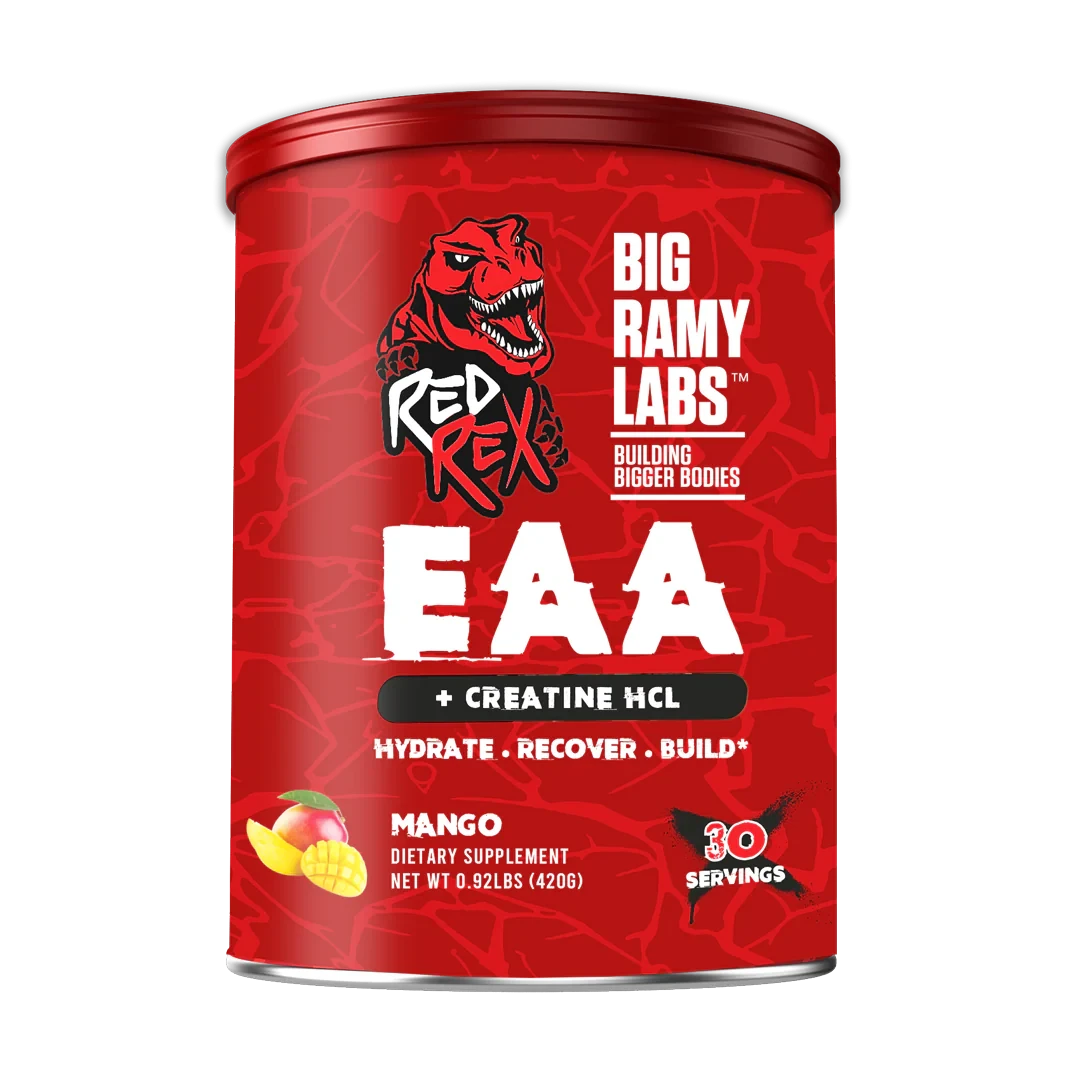
Red Rex EAA
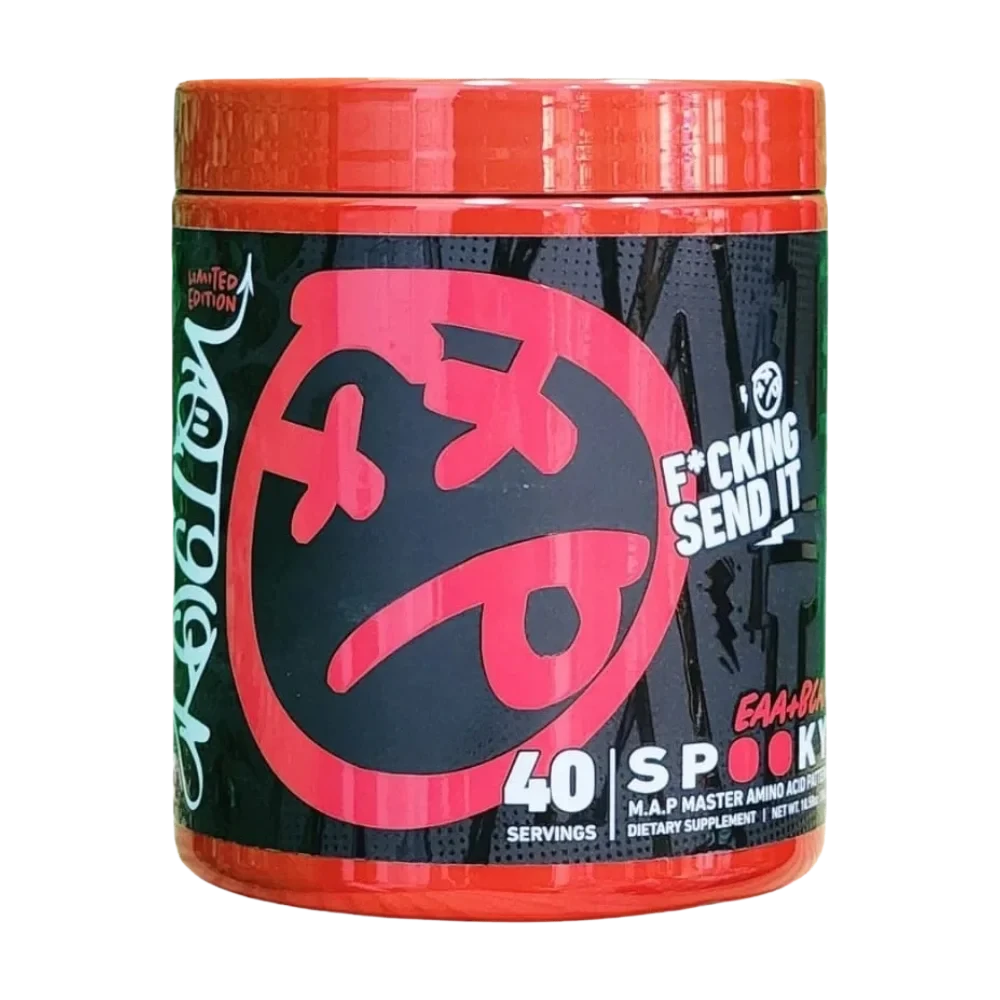
Spooky EAA+BCAA
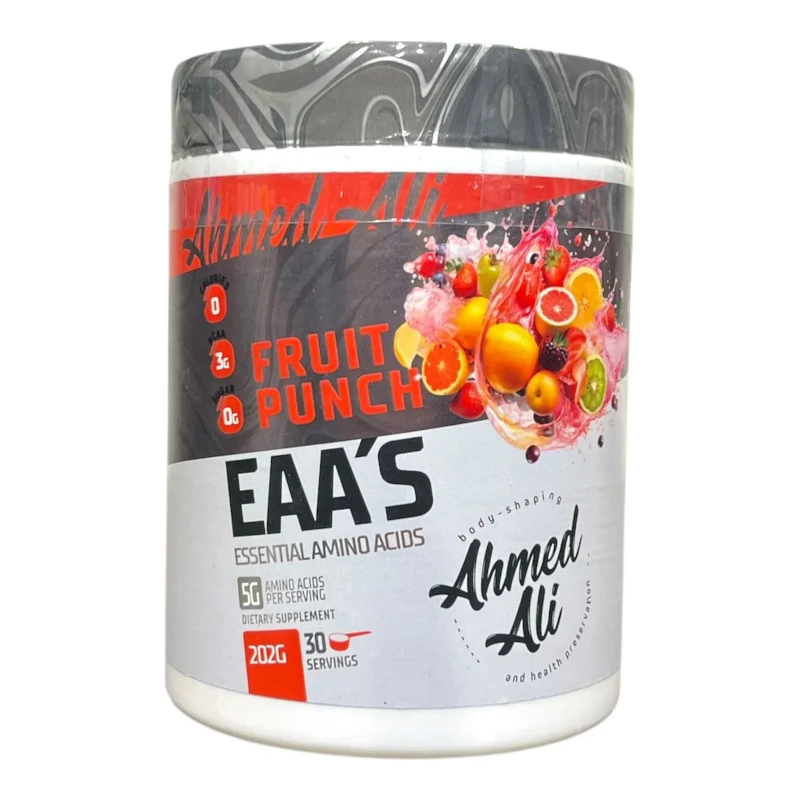
Ahmed Ali Nutrition EAA
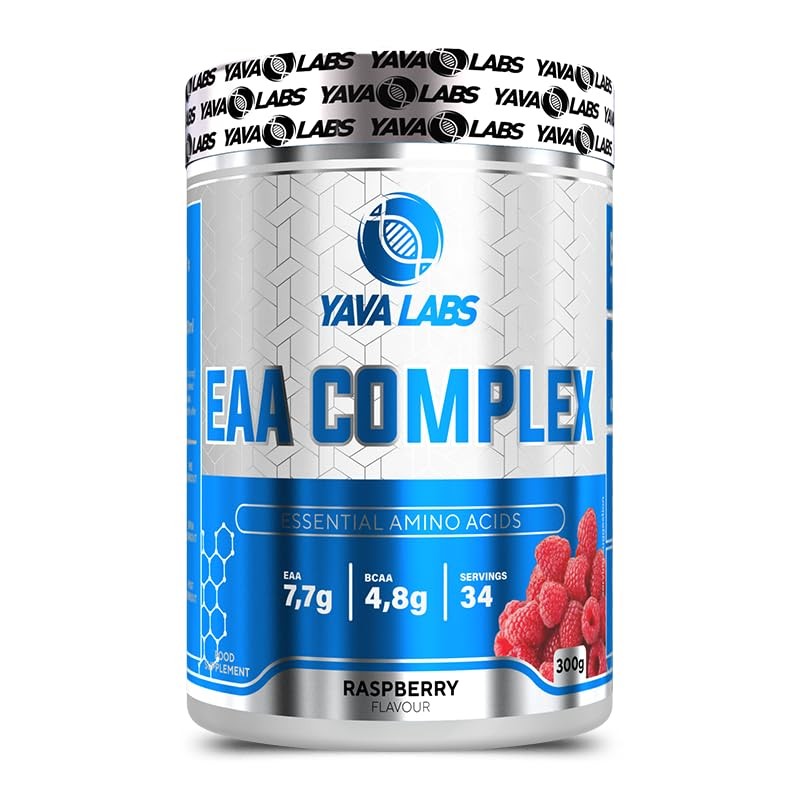
Yava Labs EAA Complex
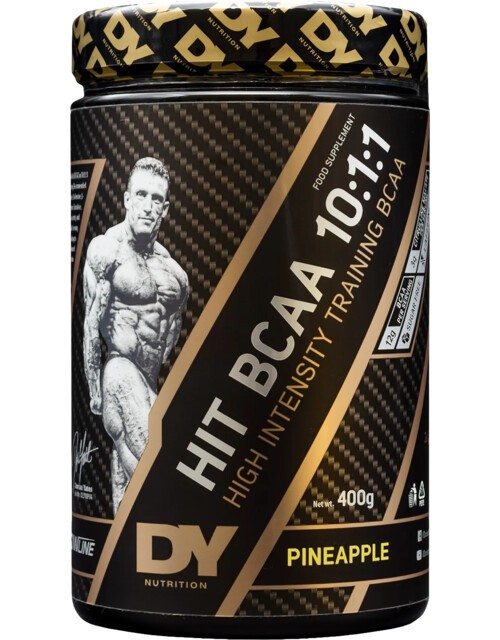
HIT BCAA 10:1:1
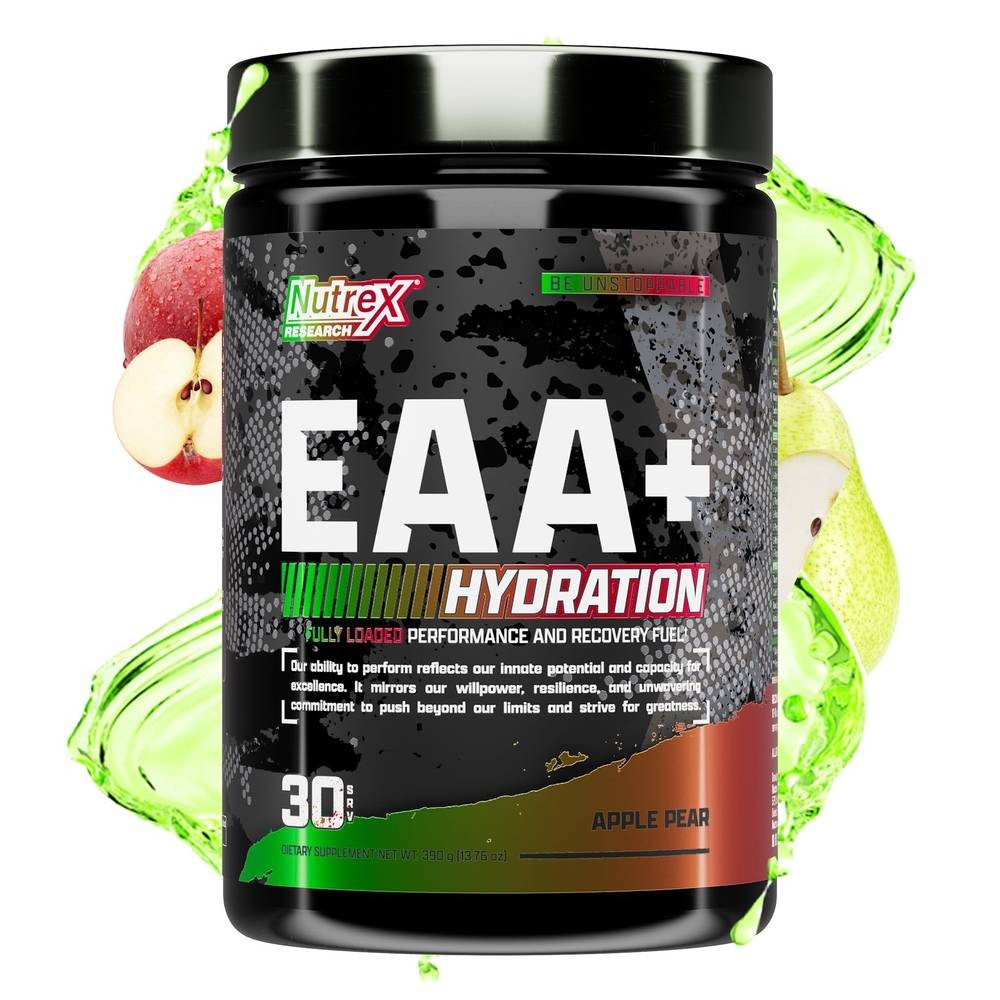
NUTREX EAA HYDRATION
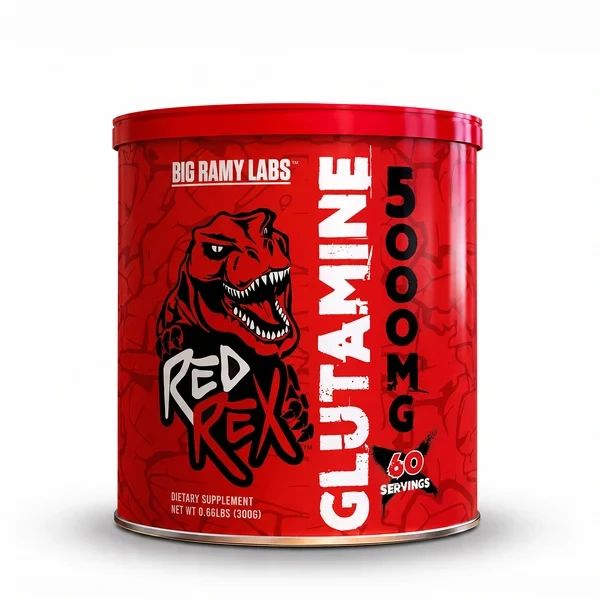
RED REX GLUTAMINE 5000MG UNFLAVORED



Contact Info
- Address: Center Roushdi, Alexandria, Egypt
- Phone: 01113669991
- Email: info@alexmuscle.com