

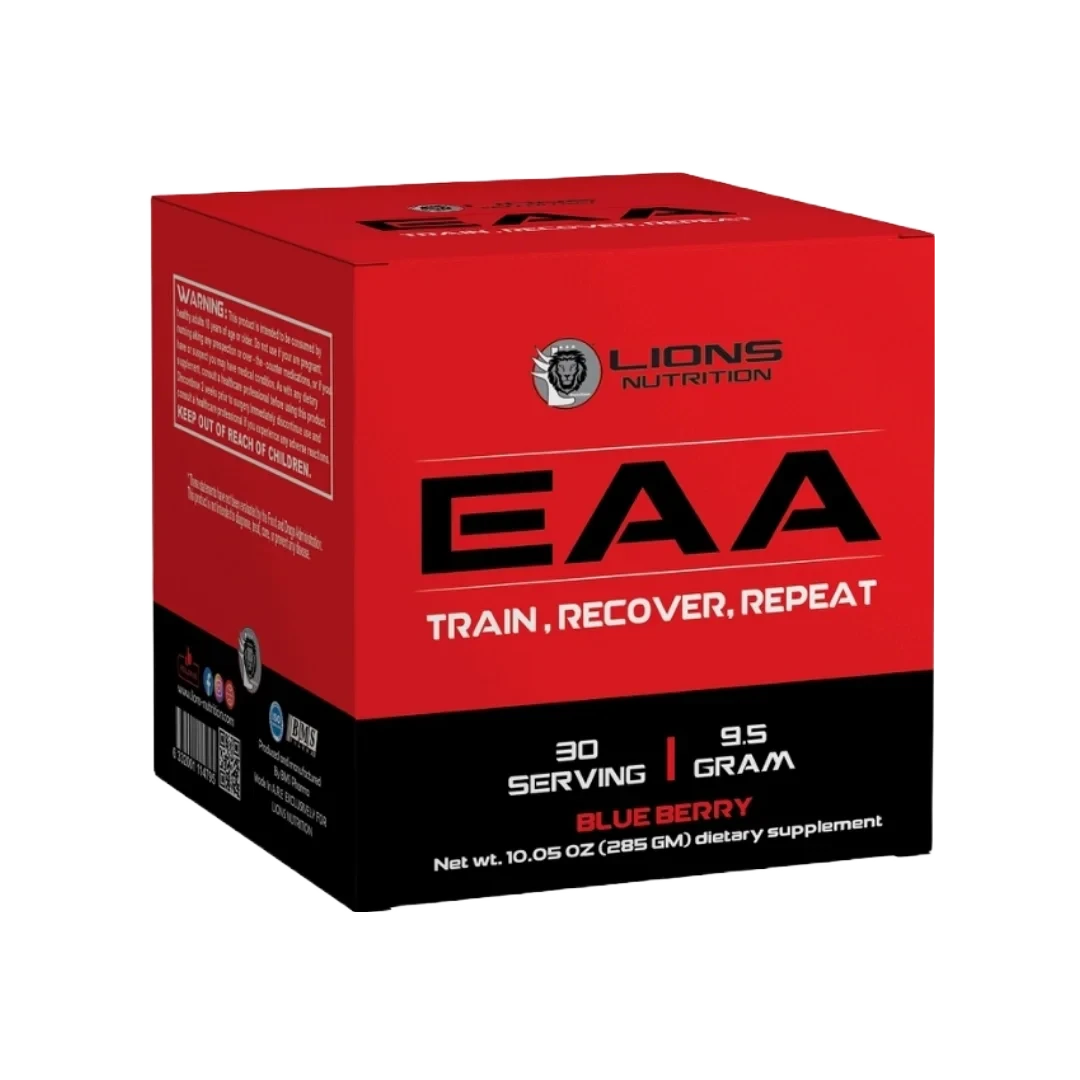
Lion Nutrition EAA
Inhouse product
-

Creatine Monohydrate 300 g (60 servings)
EGP1,000.00 -
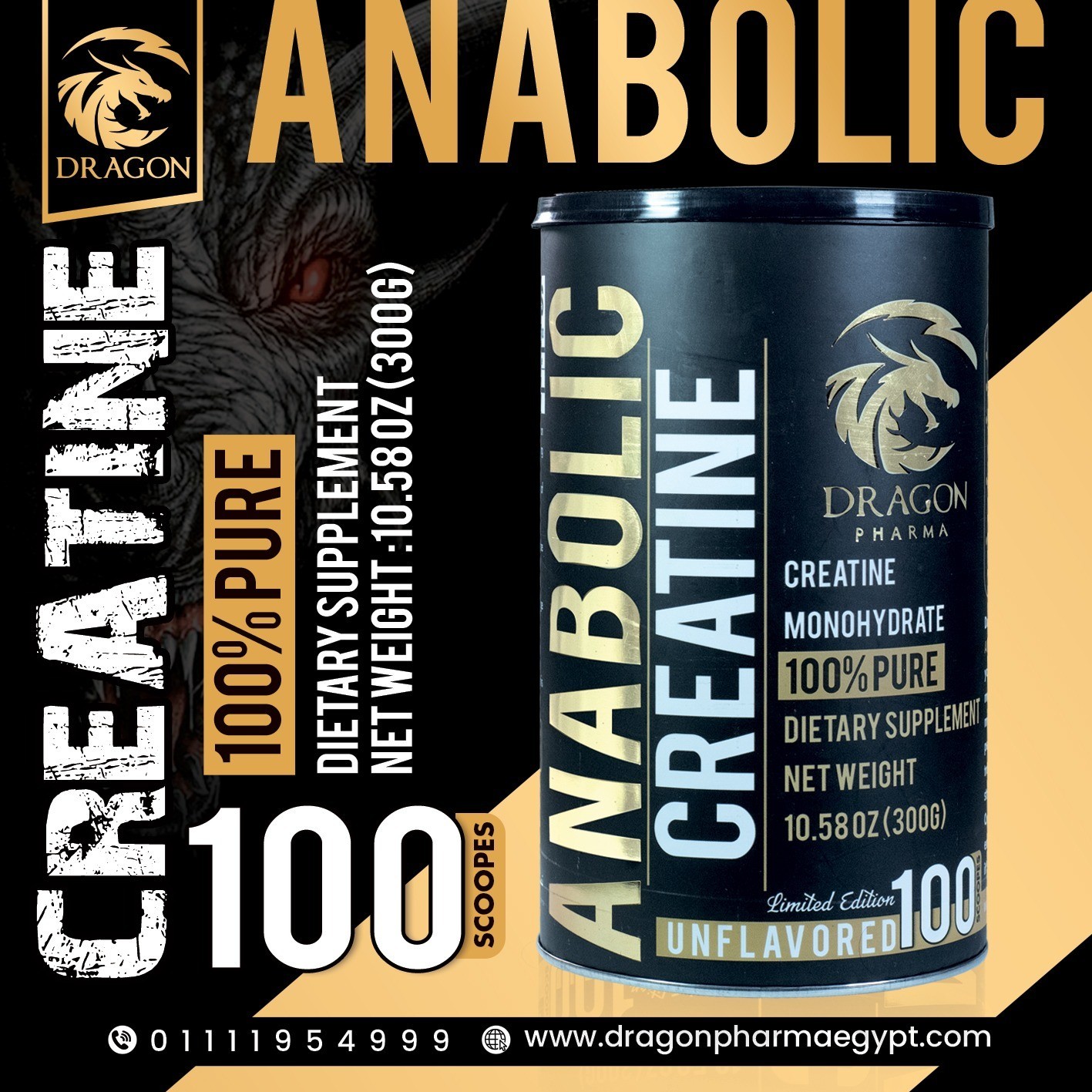
Dragon Anabolic Creatine 100S
EGP700.00 -
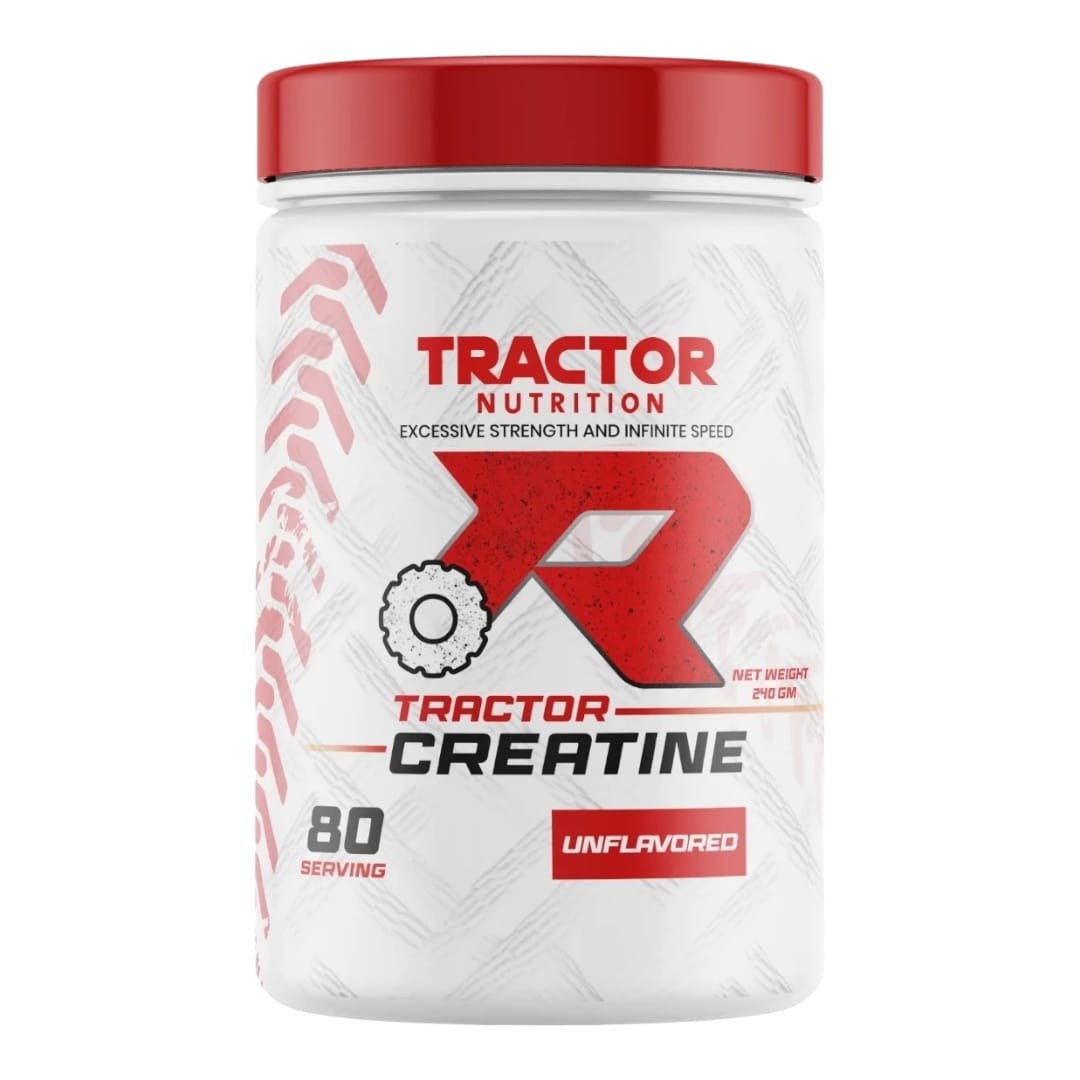
Tractor Creatine 80 Servings 240 g
EGP650.00 -
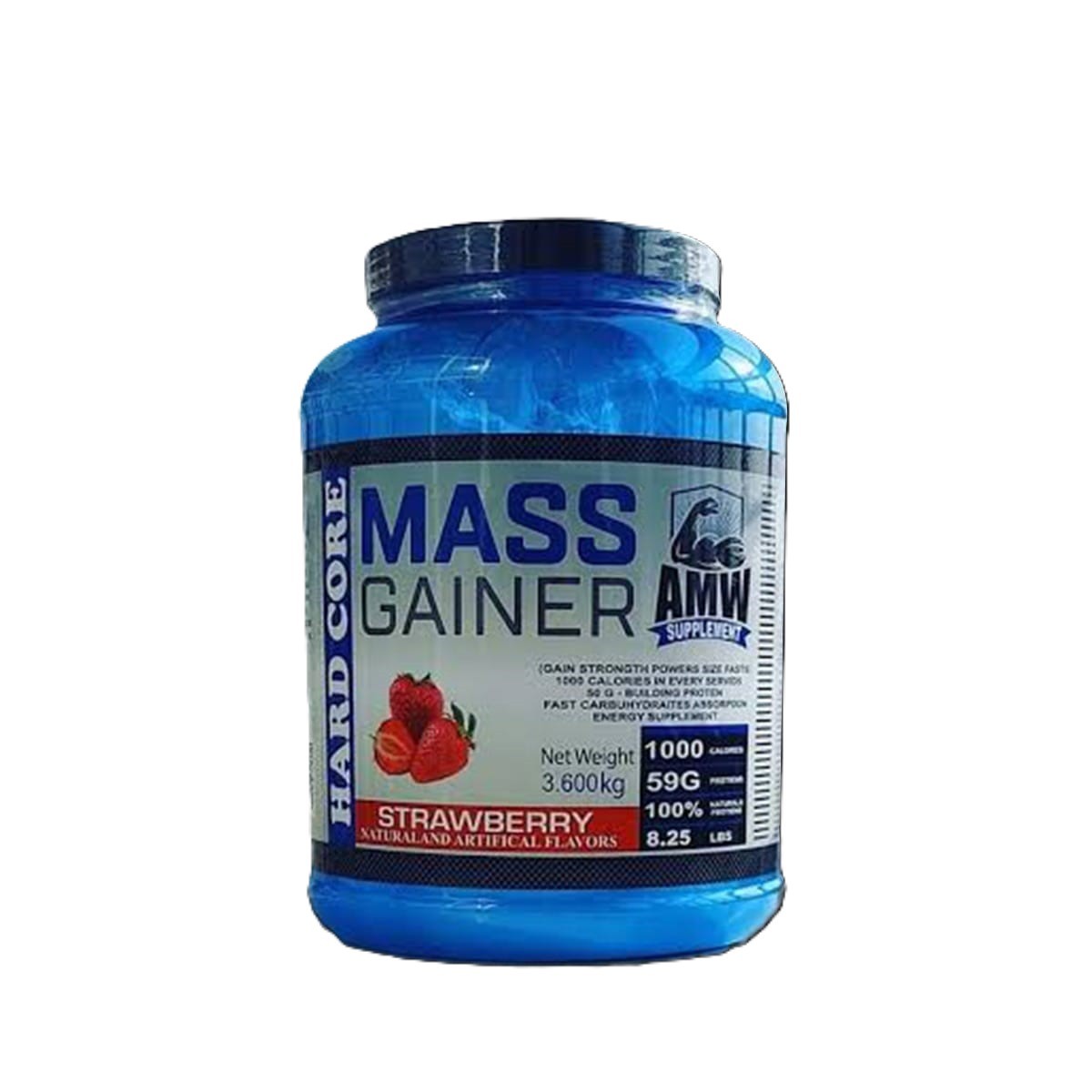
AMW Mass Gainer 2K.G
EGP750.00 -
Dragon Crea Force 133s
EGP1,000.00 -
CREA POWER 30 S
EGP500.00



What is EAA ?
-
EAA stands for “essential amino acids.” These are the amino acids that your body cannot produce by itself, so you must get them from food or supplements.
-
There are nine essential amino acids humans need: histidine, isoleucine, leucine, lysine, methionine, phenylalanine, threonine, tryptophan, and valine.
-
EAAs are the building blocks of proteins in your body. Proteins — made from amino acids — are used to repair tissues, build muscle, make enzymes and hormones, support immune function, and more.
-
Supplements with EAAs are popular among people who work out, because they can help:
-
Boost muscle protein synthesis (i.e. help build and repair muscle).
-
Improve recovery after training, reduce muscle soreness, and help with endurance and performance.
-
Support body functions beyond muscles — like metabolism, immune system, and general protein / tissue maintenance.
-
-
That said — if you already eat a balanced, protein-rich diet (meat, poultry, eggs, dairy or a variety of plant proteins), you might already get enough EAAs naturally.
-
Many nutrition experts treat EAA supplements as a “convenience boost” rather than a must-have: useful when diets or training demand is high, but not strictly necessary for everyone.
What “Lion Nutrition EAA” means (based on what I saw)?
-
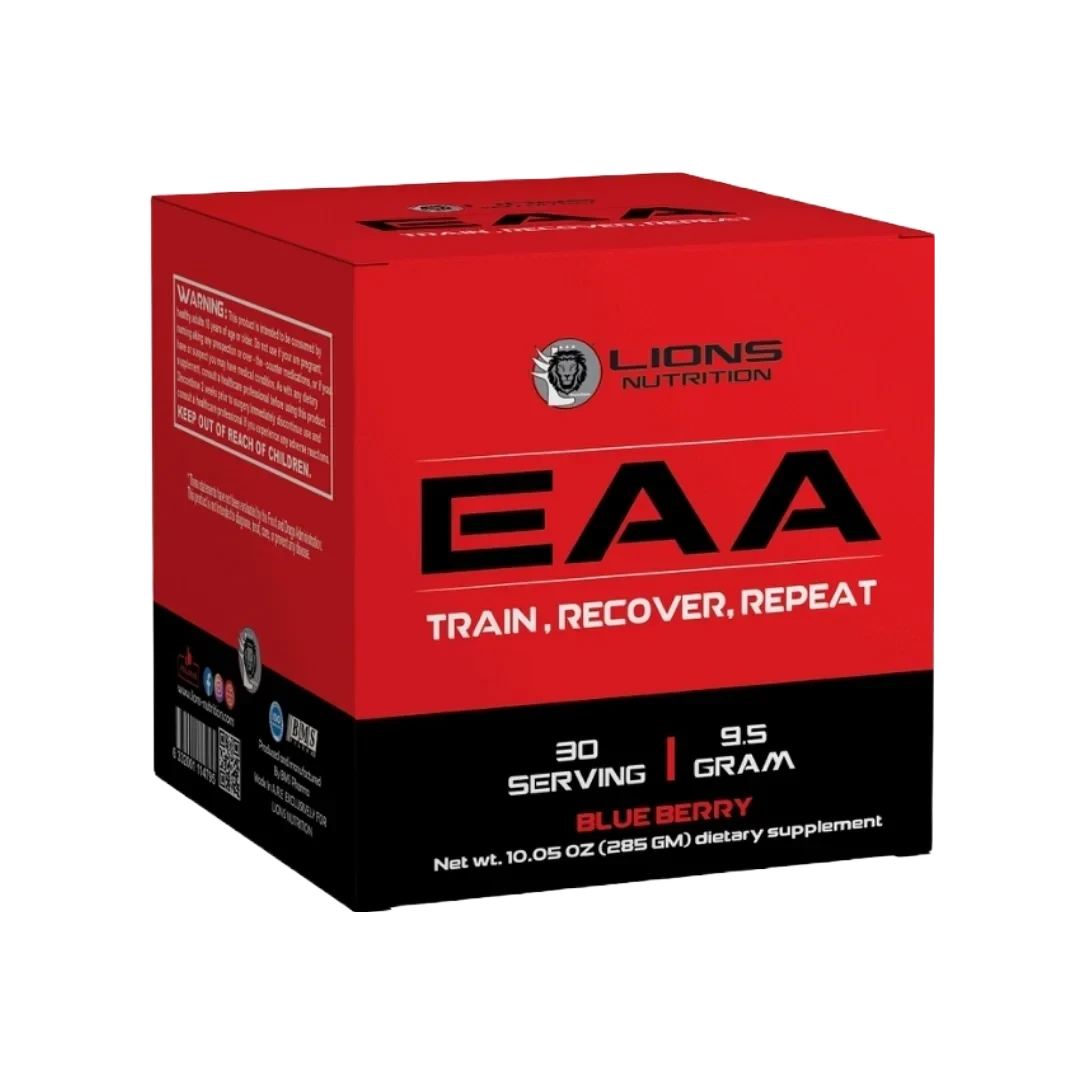
I found a listing titled “Lion Nutrition‑EAA 285 g – 30 Serv Blue Berry”.
-
That suggests:
-
The product is a powdered EAA supplement under the “Lion Nutrition” brand.
-
A container size 285 g, advertised to give ~30 servings.
-
So each “serving” is presumably the portion you mix with water (common for amino‑acid / pre/intra/post workout powders).
-
-
People use such EAAs around workouts — before, during, or after — depending on goals such as muscle building or recovery.
What you should check / keep in mind!
-
Supplements labelled “EAA” or “EAA + BCAA” can vary widely: the exact amounts of each amino acid may differ and affect effectiveness.
-
If your diet already covers enough amino acids and protein, extra EAAs might not provide a huge benefit (though they might still help if you exercise heavily).
-
As with any supplement: check you do not exceed safe amounts, ensure hydration (some EAA formulas include electrolytes), and — if you have medical conditions — consider consulting a doctor or nutritionist.
Related products
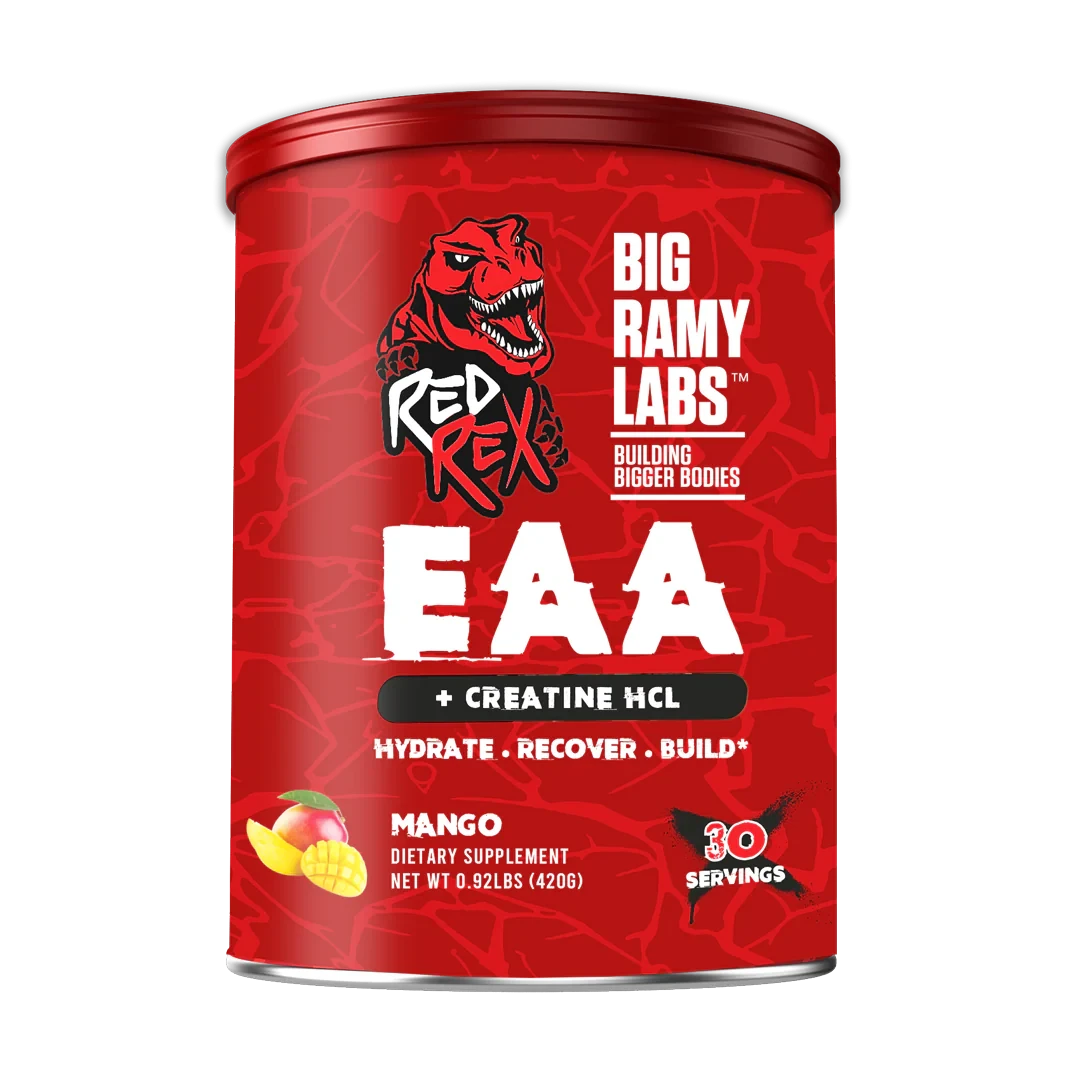
Red Rex EAA
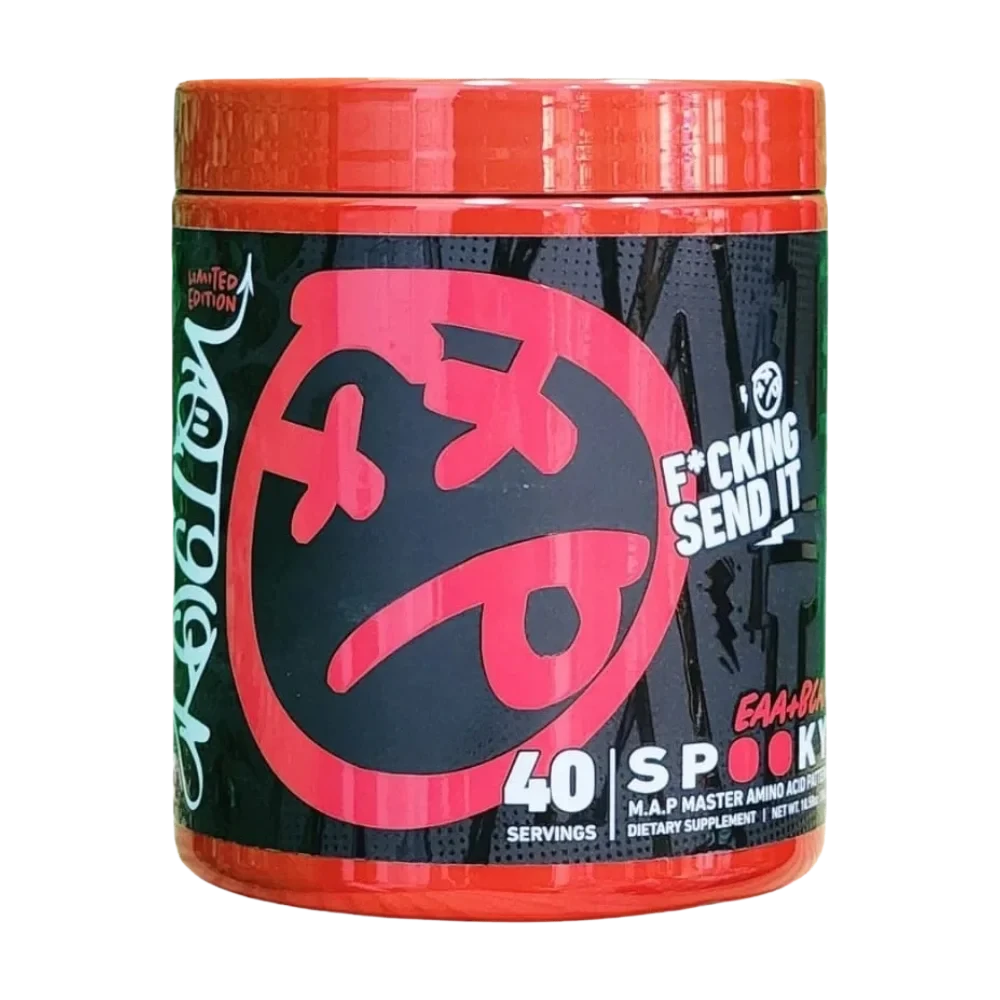
Spooky EAA+BCAA
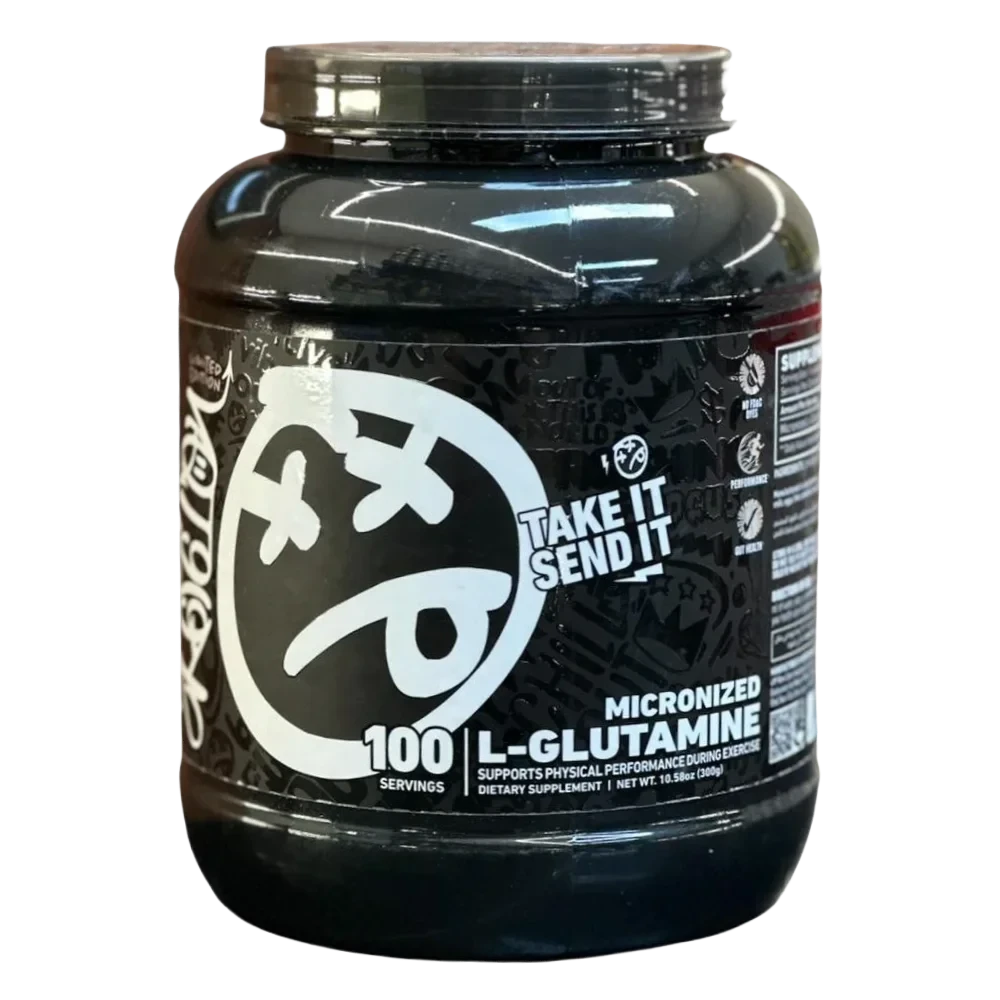
Glutamine
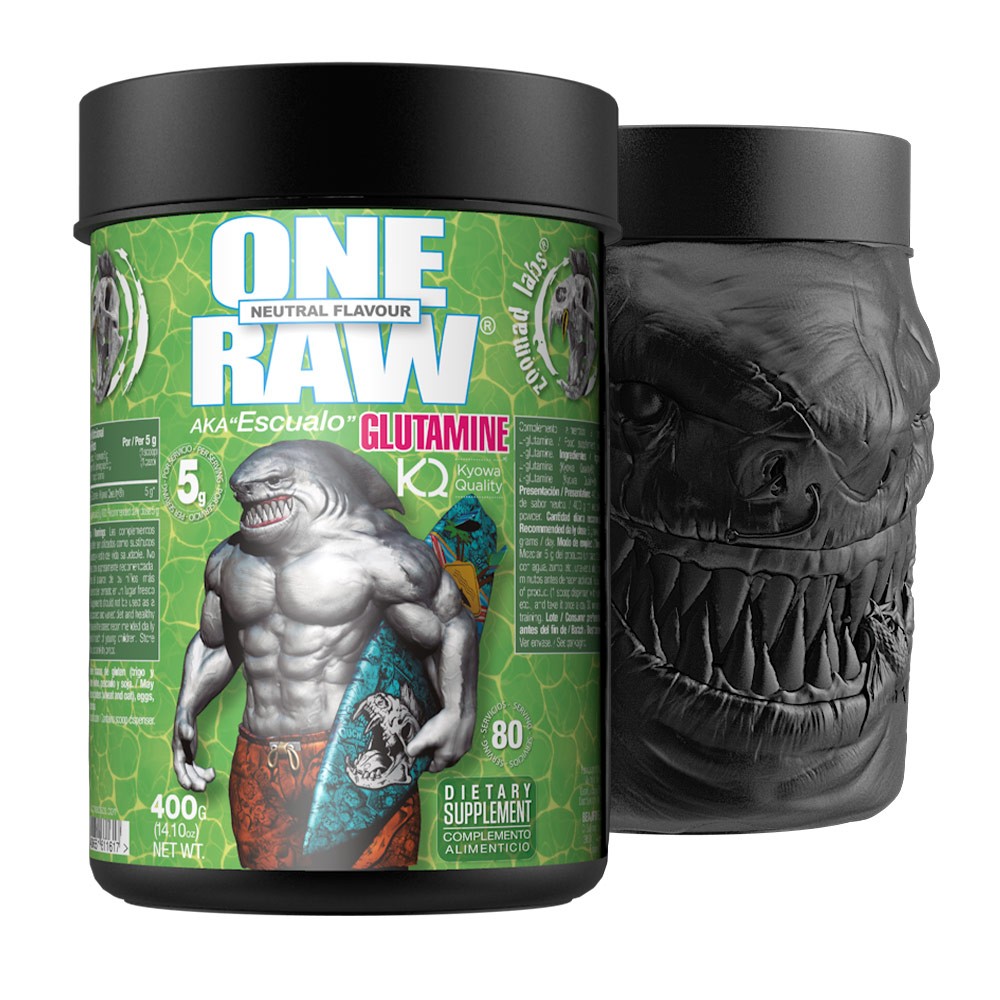
Zoomad Labs ONE RAW Glutamine 400g
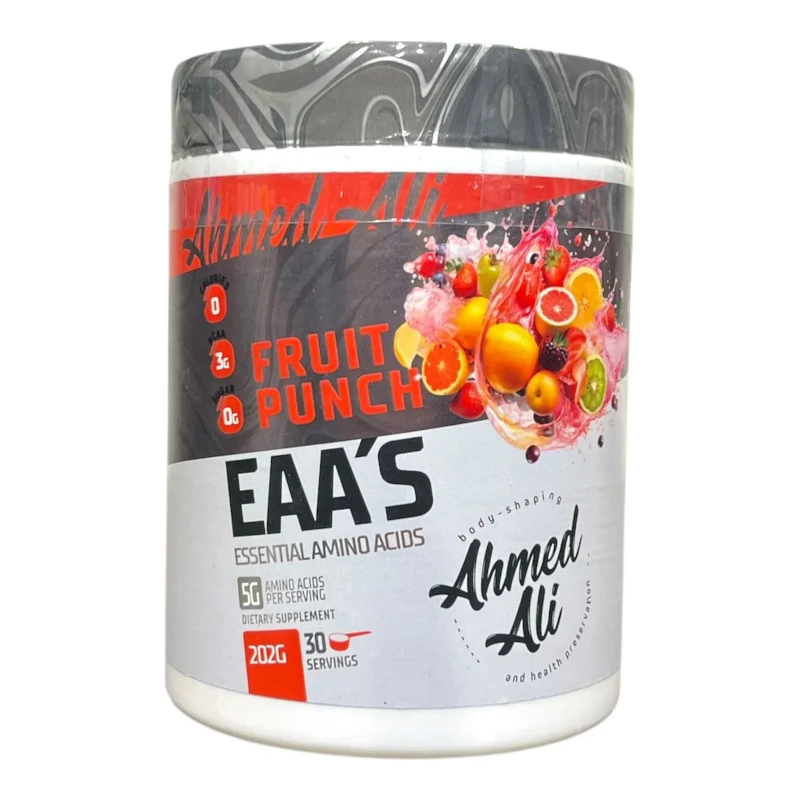
Ahmed Ali Nutrition EAA
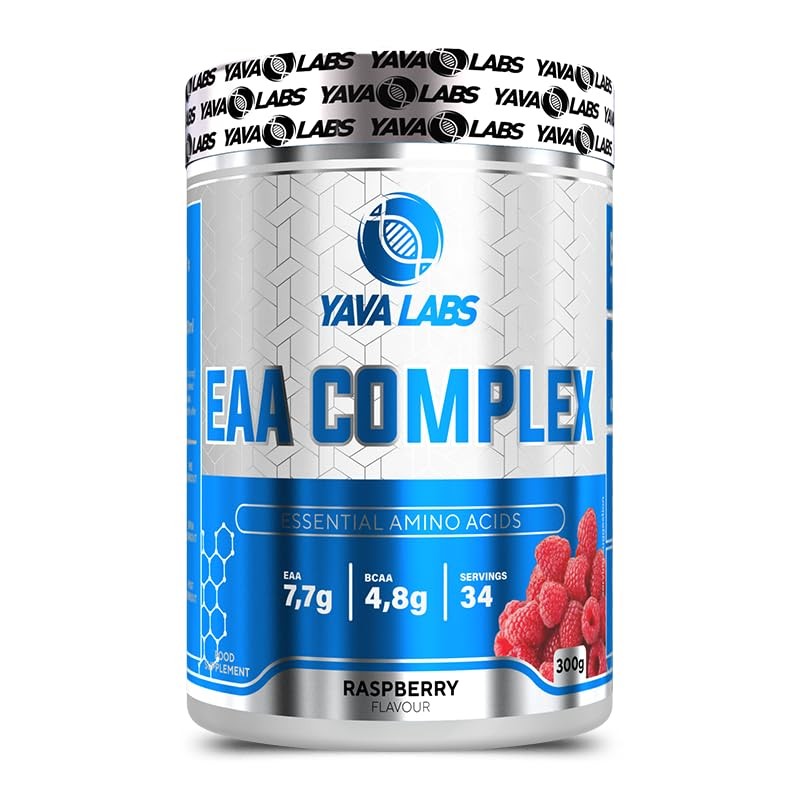
Yava Labs EAA Complex



Contact Info
- Address: Center Roushdi, Alexandria, Egypt
- Phone: 01113669991
- Email: info@alexmuscle.com