

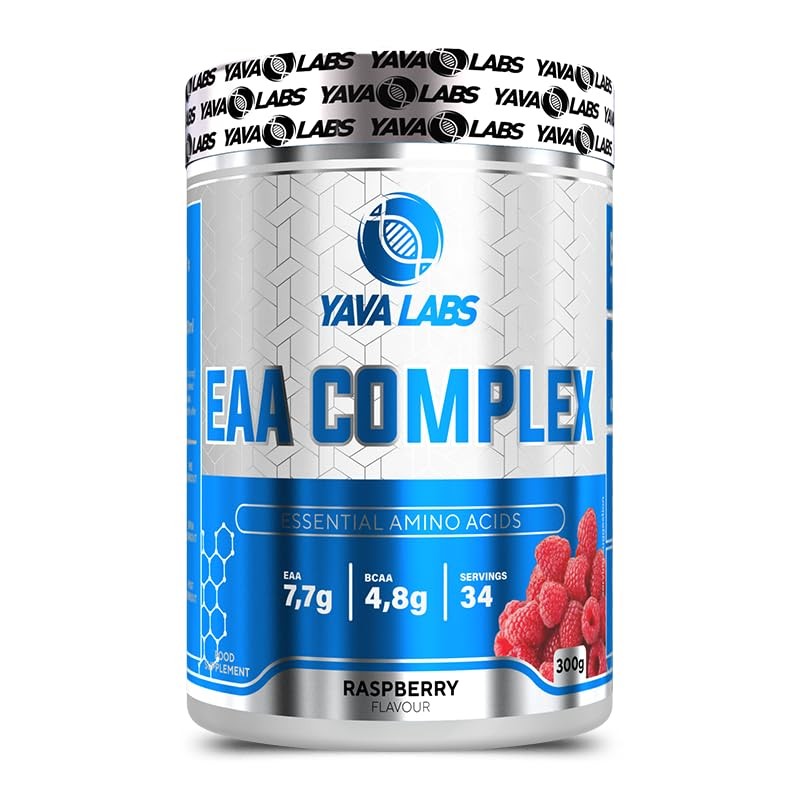
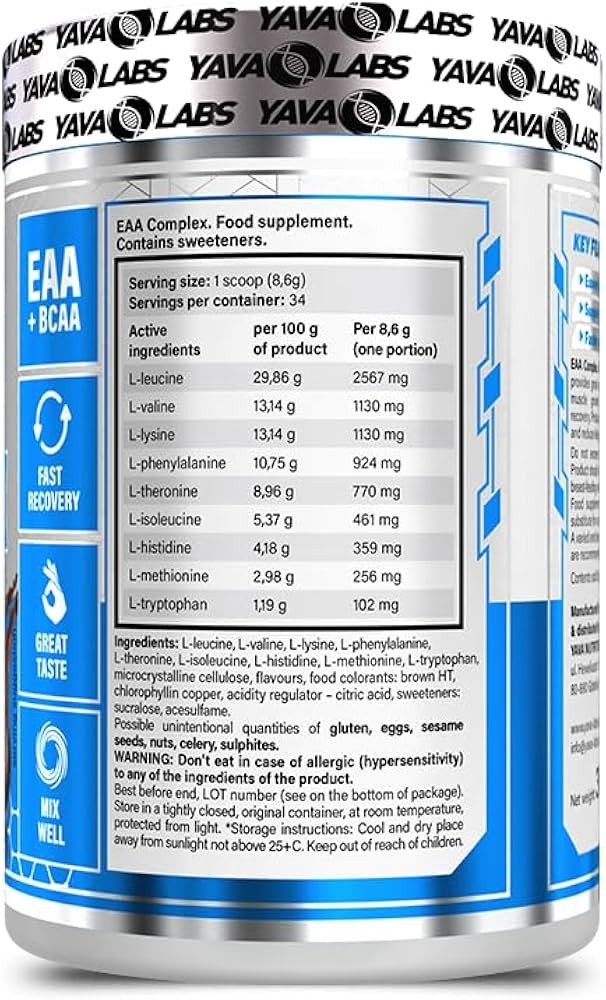
Yava Labs EAA Complex
Inhouse product

-

Hellfire Creatine
EGP200.00 -
Creatine Monohydrate 300 g (60 servings)
EGP1,000.00 -
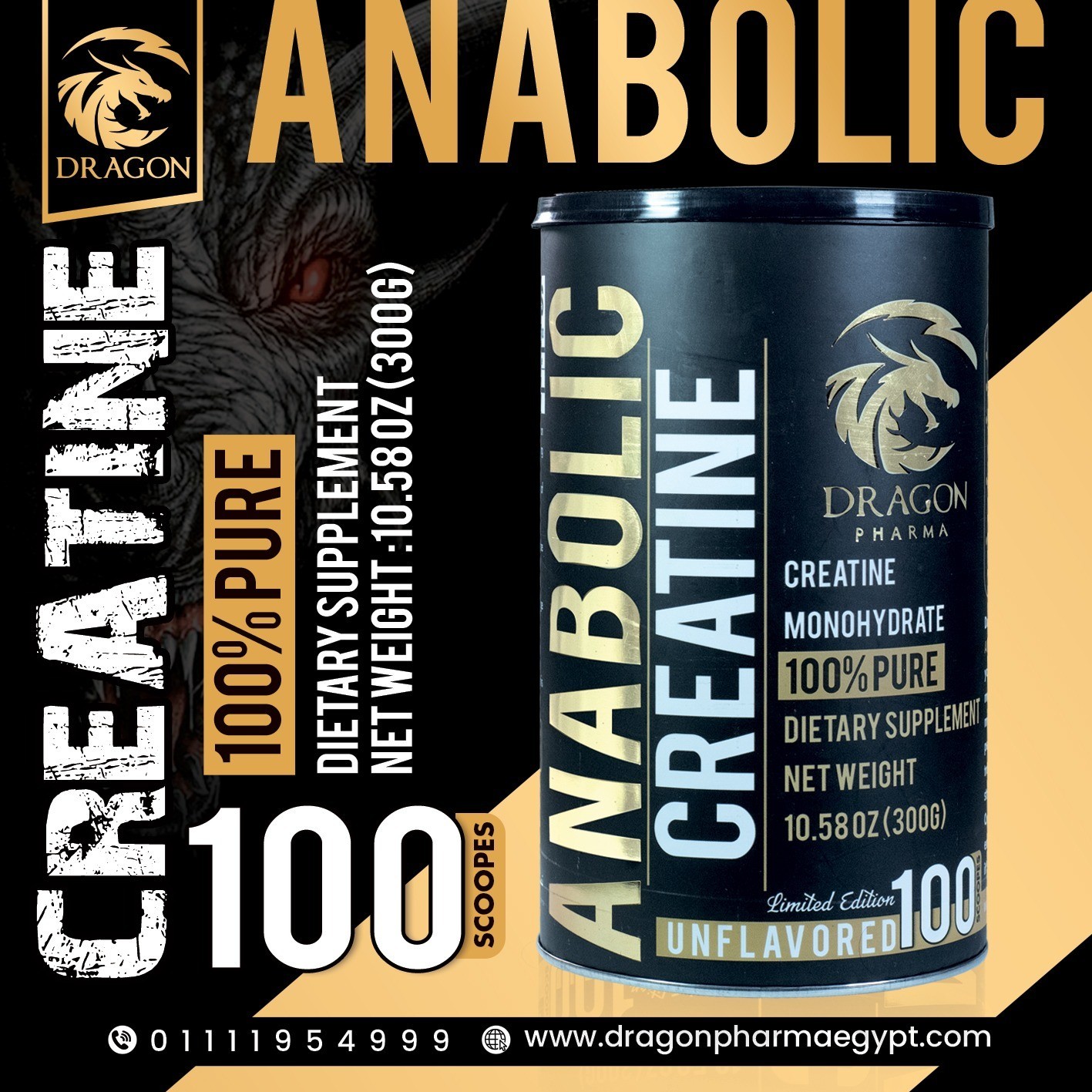
Dragon Anabolic Creatine 100S
EGP700.00 -
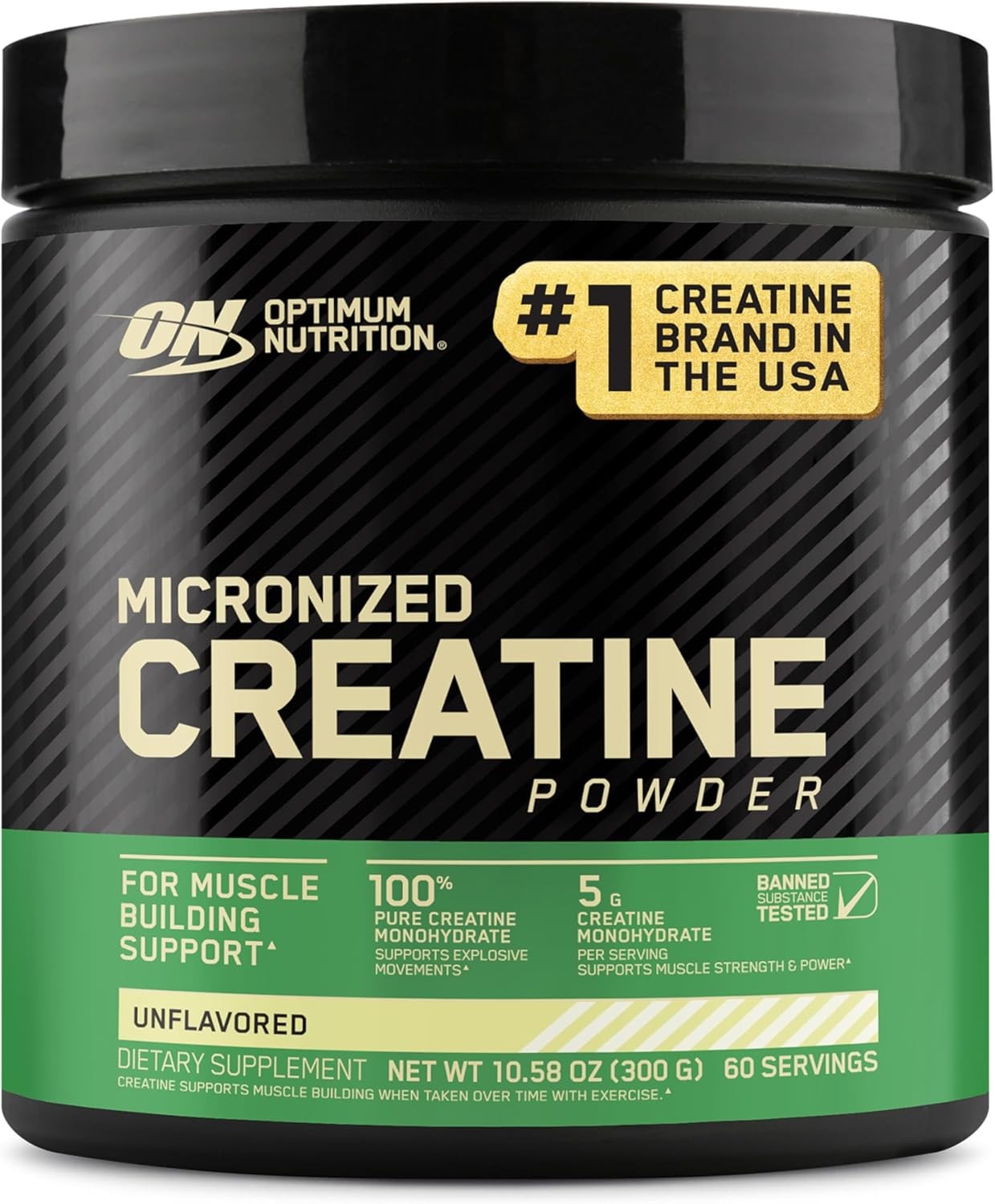
ON Creatine 60 S 300 g
EGP1,900.00 -
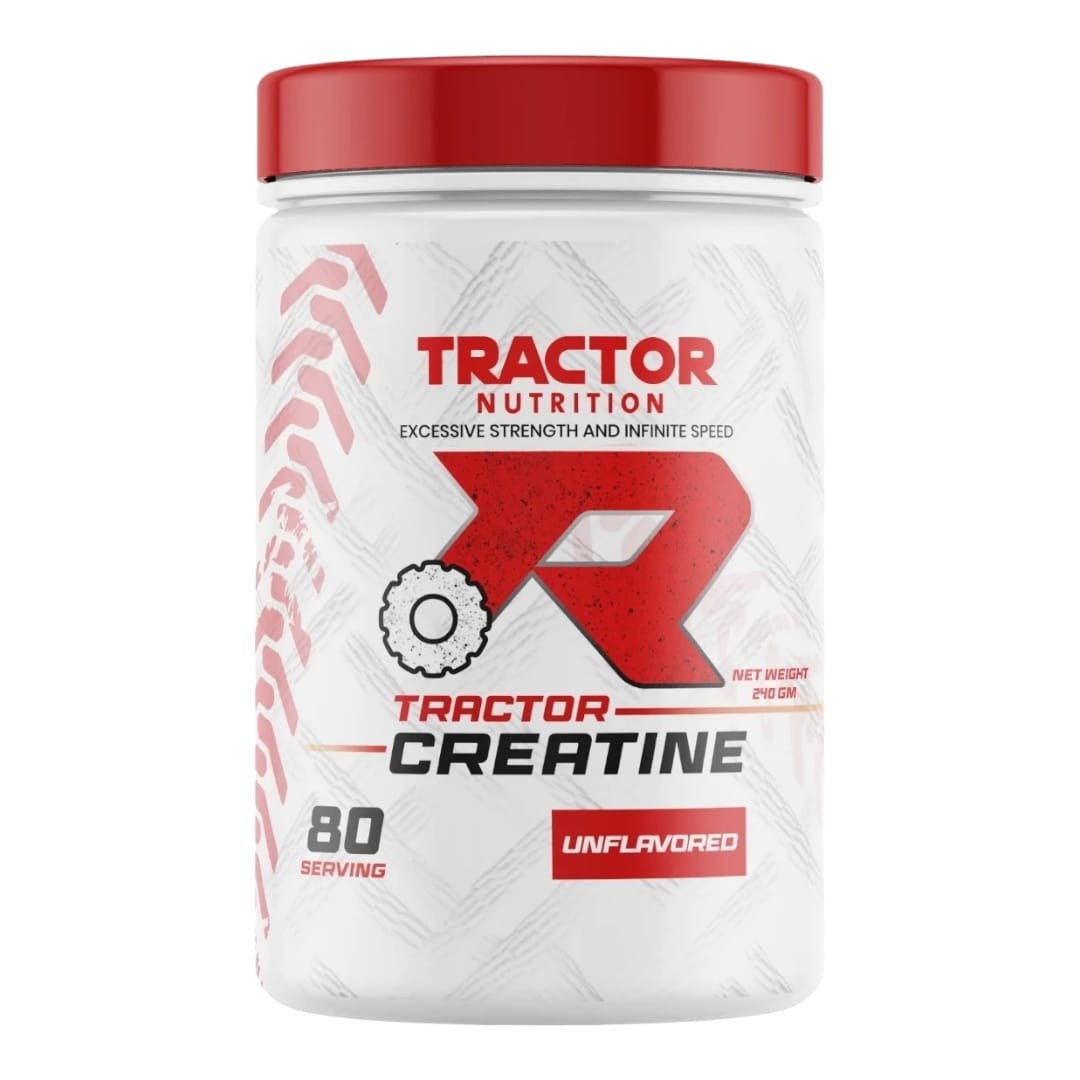
Tractor Creatine 80 Servings 240 g
EGP550.00 -
LIPO-6 Black Ultra
EGP900.00


What is Yava Labs EAA Complex?
-
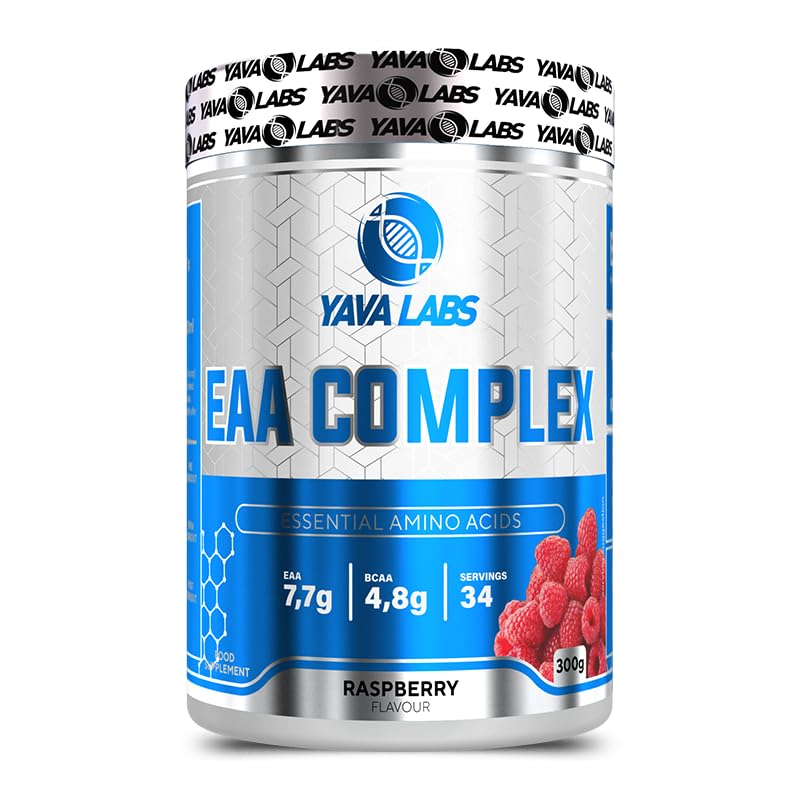
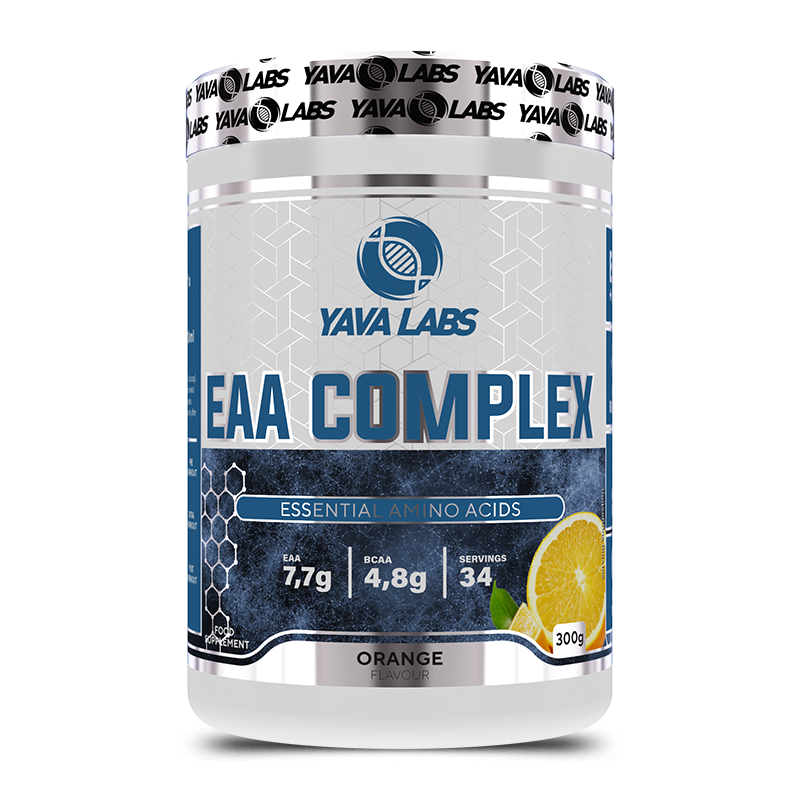
Yava Labs EAA Complex is a powder supplement made from the 9 “essential amino acids” (EAA) — those amino acids that the body cannot synthesise on its own and must get from diet or supplementation.
-
It typically comes in a tub of ~300 g (or similar), with about 30–34 servings per tub depending on the seller.
-
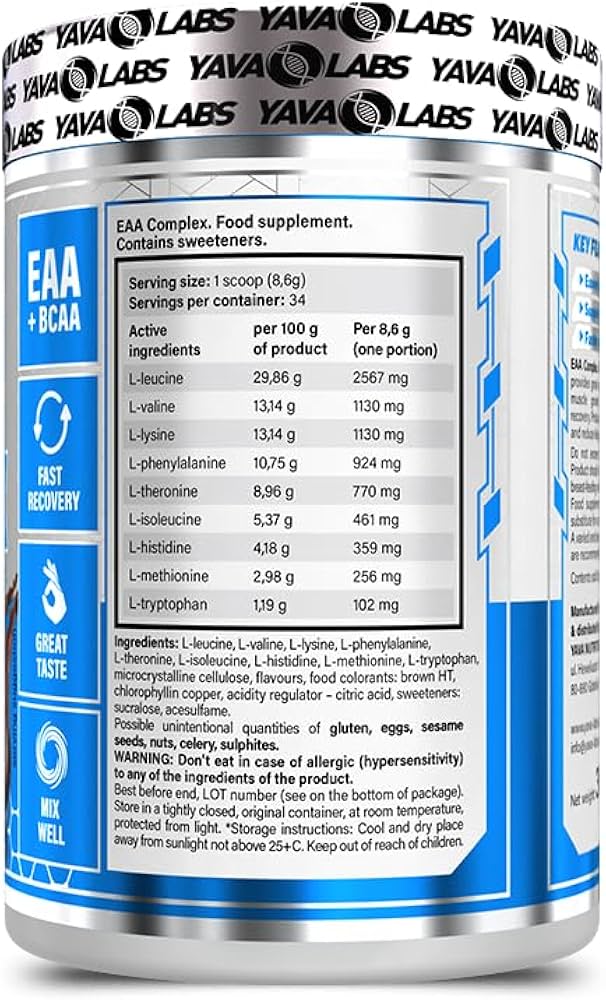
Each serving is usually around 8.6 g of powder (sometimes quoted as 8.8 g).
Claimed Benefits & Intended Use:
According to the manufacturer’s product description, Yava Labs claims that EAA Complex can:
-
Support protein synthesis (help with building or maintaining muscle).
-
Promote faster recovery after workouts — helping muscles recover faster from stress or exercise.
-
Enhance exercise performance, including endurance, reduce fatigue, and improve muscle coordination/strength during training.
-
Help prevent muscle breakdown (catabolism) especially when training hard or when dietary protein intake might be insufficient.
They suggest using the supplement before, during, or after workouts depending on your needs.
Composition & Typical Serving Info:
From available ingredient/nutrition data:
-
Each serving includes the full spectrum of essential amino acids: L-Leucine, L-Valine, L-Isoleucine, L-Lysine, L-Phenylalanine, L-Threonine, L-Methionine, L-Histidine, and L-Tryptophan.
-
According to one listing, a serving may deliver roughly 7.7 g total EAAs, of which about 4.8 g are BCAAs (the branched-chain amino acids Leucine, Isoleucine, Valine).
-
The powder generally uses flavourings, sweeteners (e.g. sucralose), acidity regulators, and may include minor additives typical for flavoured supplements.
How to Use It (As Recommended)?
Typical recommended usage (as per product instructions):
-
Mix one scoop (≈ 8.6 g) with ~200 ml water.
-
Can be used pre-workout, intra-workout, or post-workout depending on your training and nutrition strategy.
-
It is meant as a supplement — not a replacement for a balanced diet.
What to Keep in Mind & Typical Warnings:
-
As with any amino-acid supplement: if your regular diet already includes sufficient high-quality protein (meat, dairy, legumes, etc.), the extra EAA supplement may add limited benefit.
-
It should not be used as a meal replacement.
-
It’s not usually recommended for pregnant or breastfeeding women unless a doctor approves.
-
Always follow the recommended serving amounts — don’t exceed them.
Related products
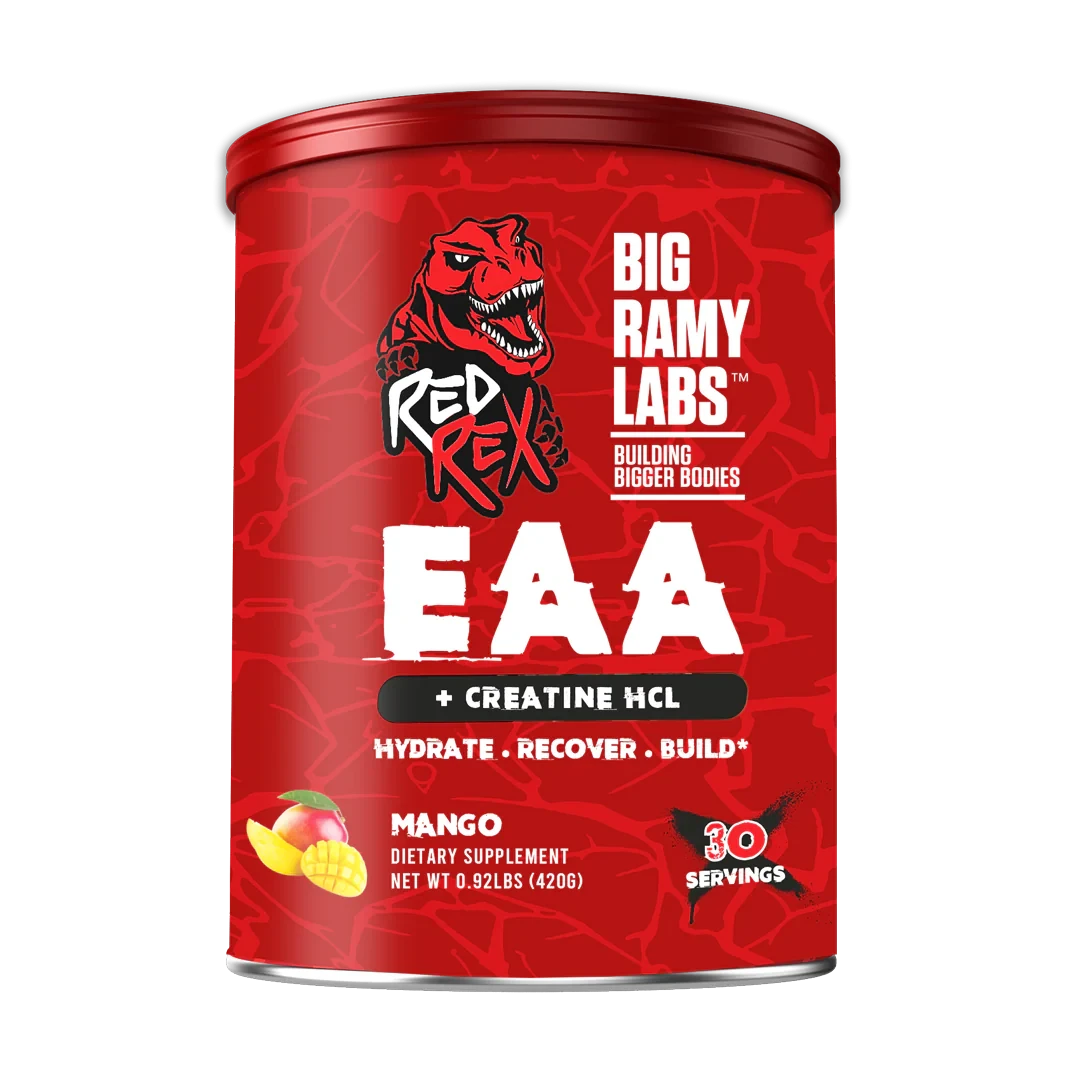
Red Rex EAA
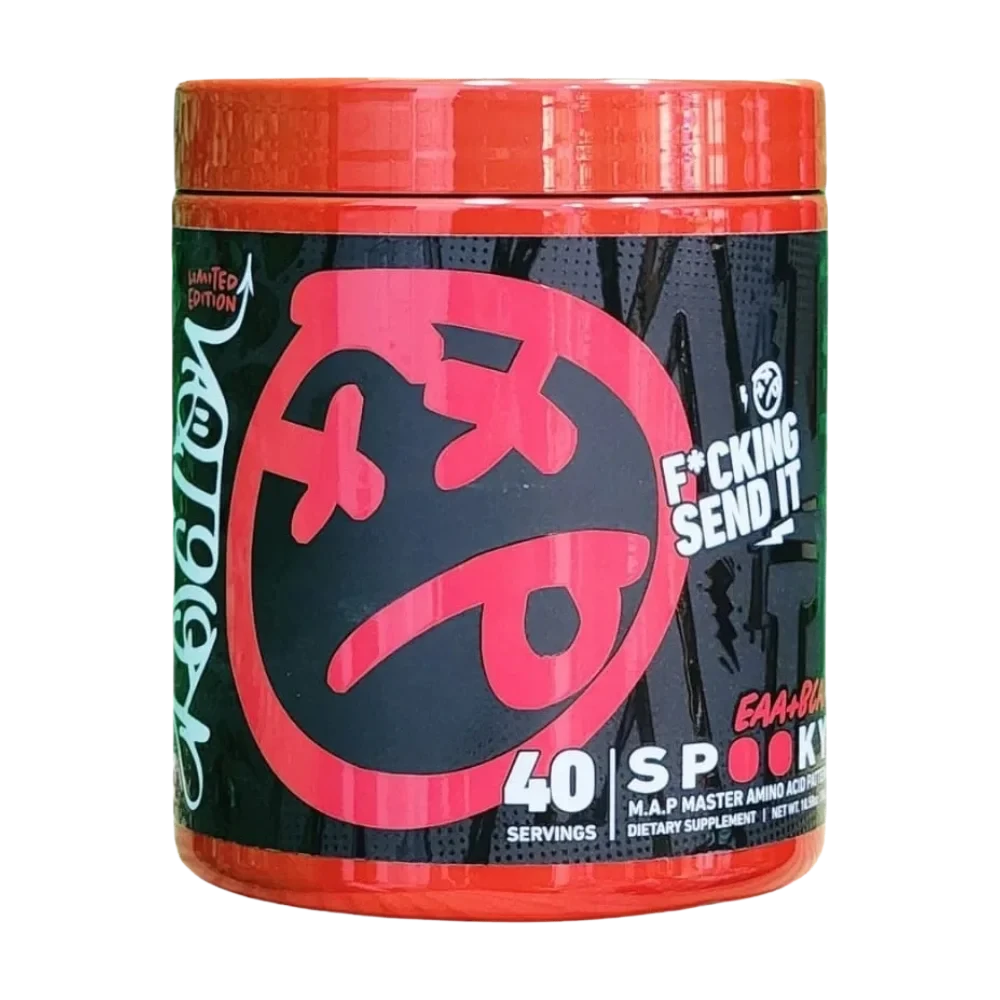
Spooky EAA+BCAA
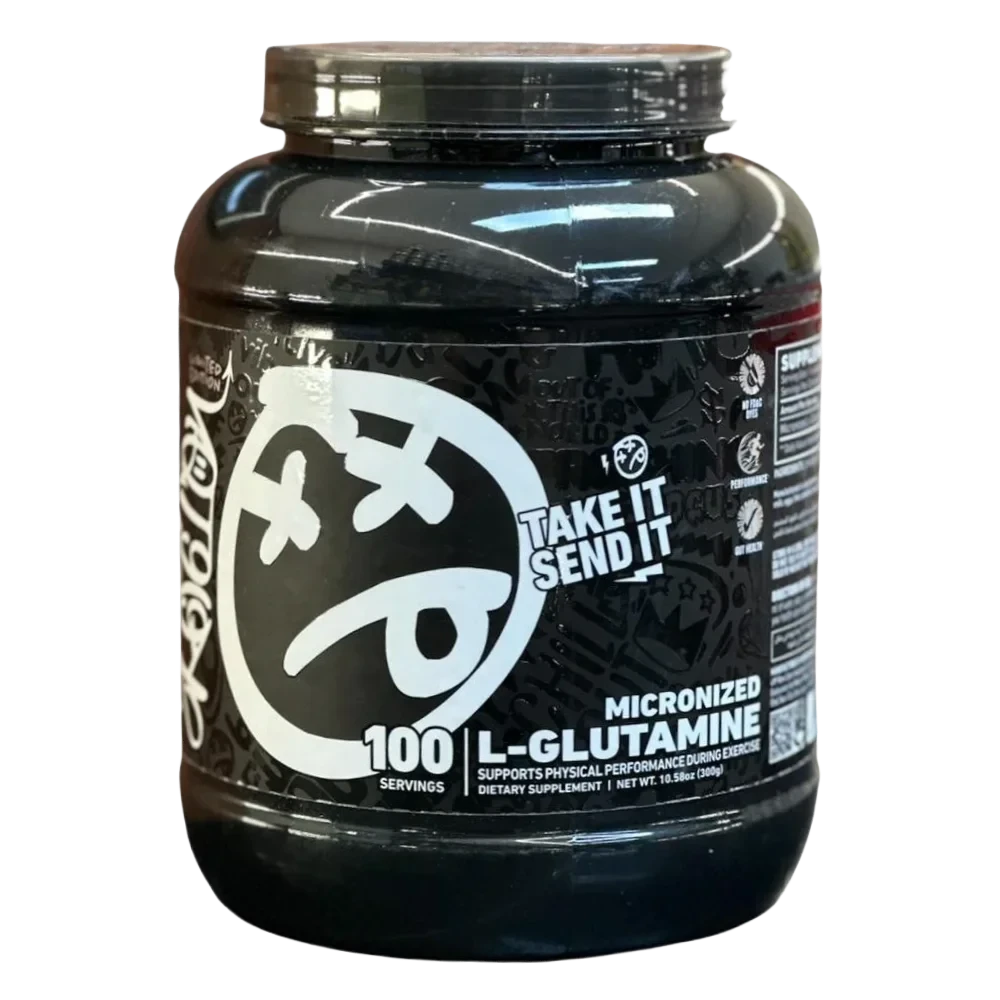
Glutamine
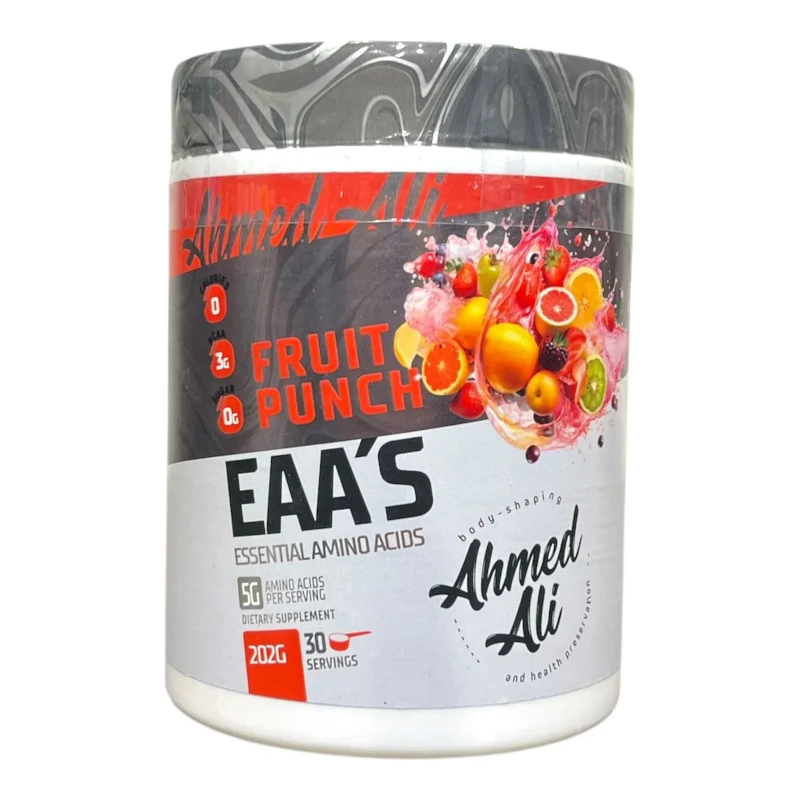
Ahmed Ali Nutrition EAA
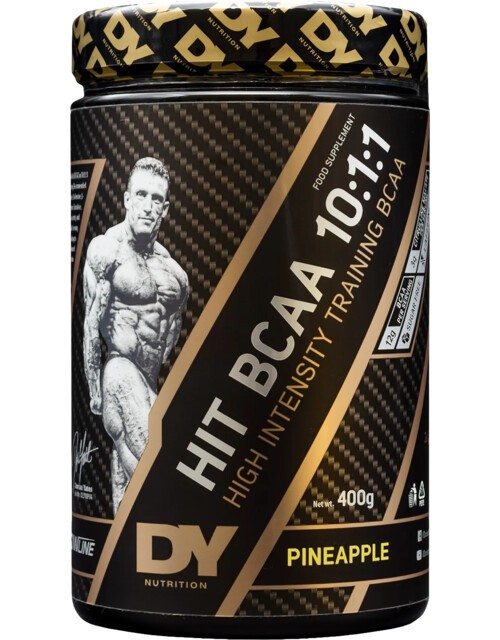
HIT BCAA 10:1:1
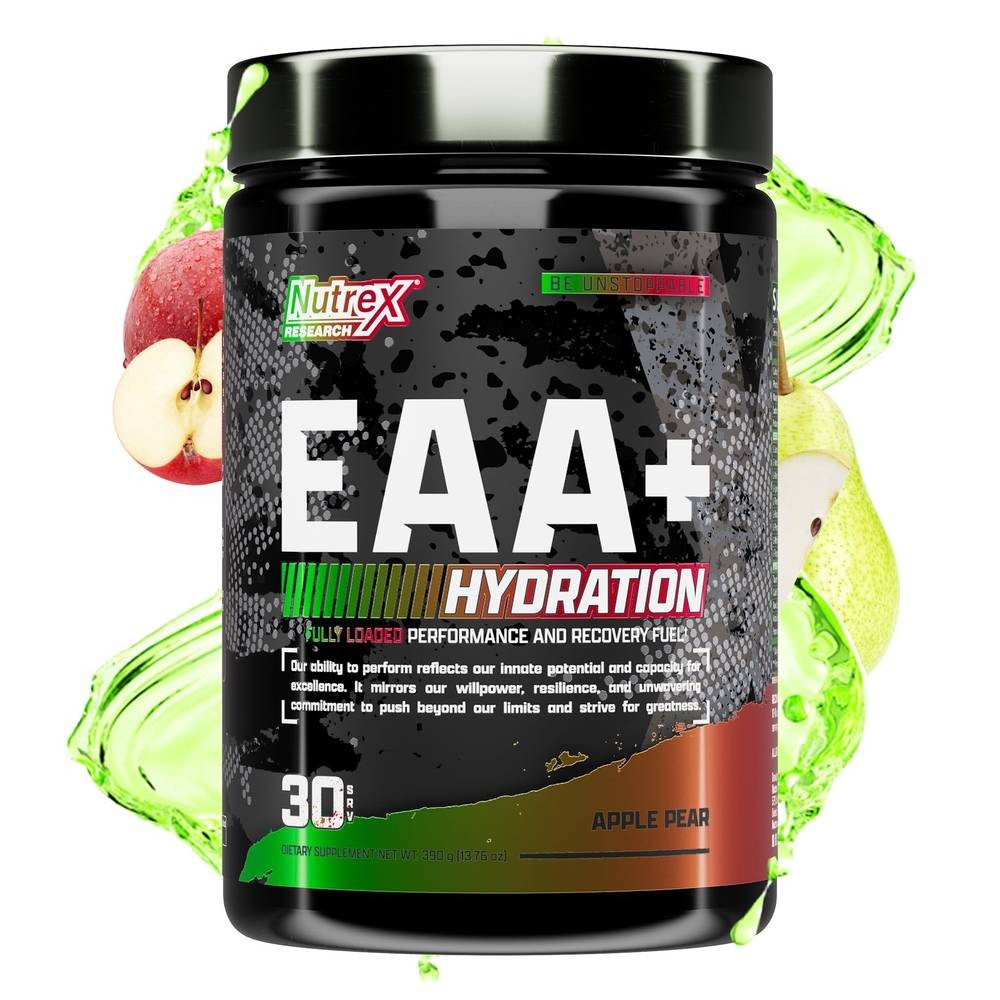
NUTREX EAA HYDRATION
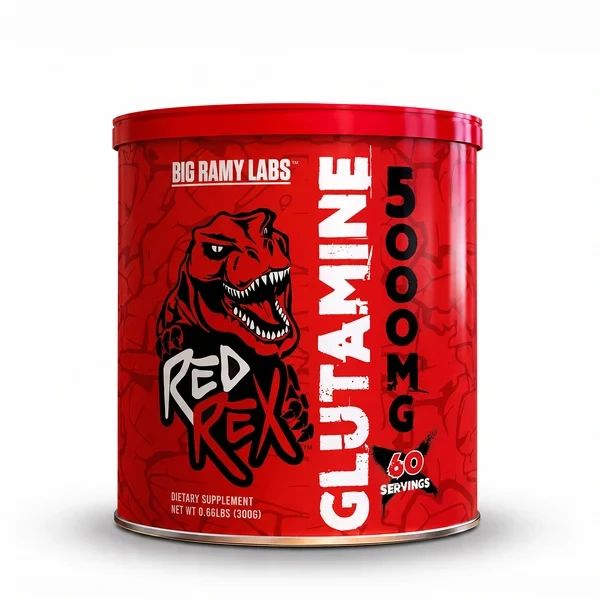
RED REX GLUTAMINE 5000MG UNFLAVORED



Contact Info
- Address: Center Roushdi, Alexandria, Egypt
- Phone: 01113669991
- Email: info@alexmuscle.com